01
Research Peptides
Understand peptides as amino-acid chains studied for molecular behavior, interactions, and structure.
Explore the science of research peptides with Catalyst Labs: molecular structures, synthesis concepts, analytical methods, and laboratory research considerations.
From sequence design and synthesis concepts to testing methods and laboratory workflows, explore the scientific ideas involved in peptide research.
Understand peptides as amino-acid chains studied for molecular behavior, interactions, and structure.
Explore how sequence design, chain assembly, and purification connect in peptide science.
Learn about the role of laboratory characterization and methods such as chromatography and mass spectrometry.
Discover sample handling, pipetting, and controlled workflows used in research environments.
See how molecular structure, sequence, and experimental questions inform laboratory research.
Review terminology, documentation questions, and research-use considerations before you inquire.
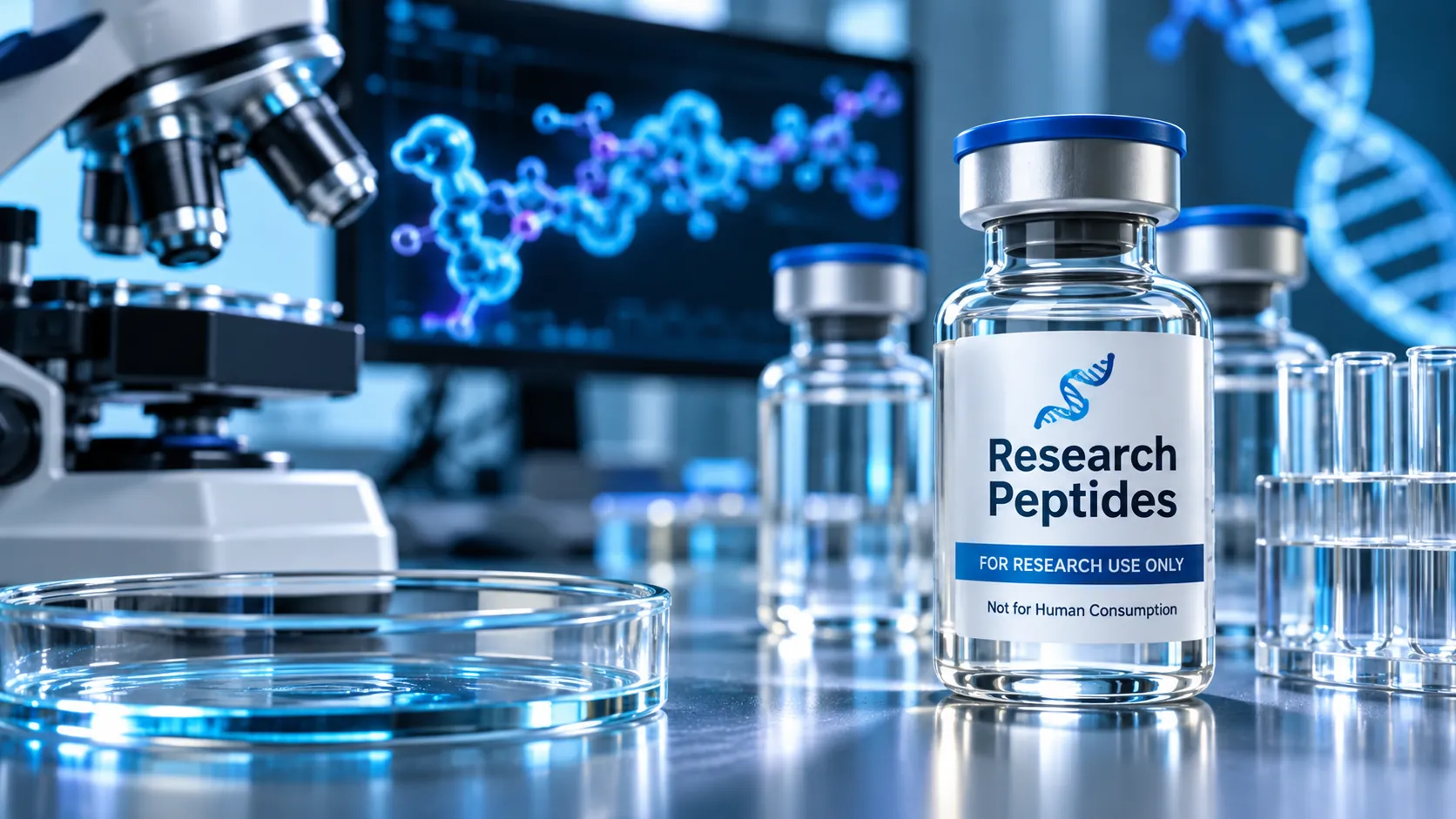
Peptides are short chains of amino acids investigated in many fields of molecular research. Questions about sequence, structure, identity, and experimental context shape how they are studied.
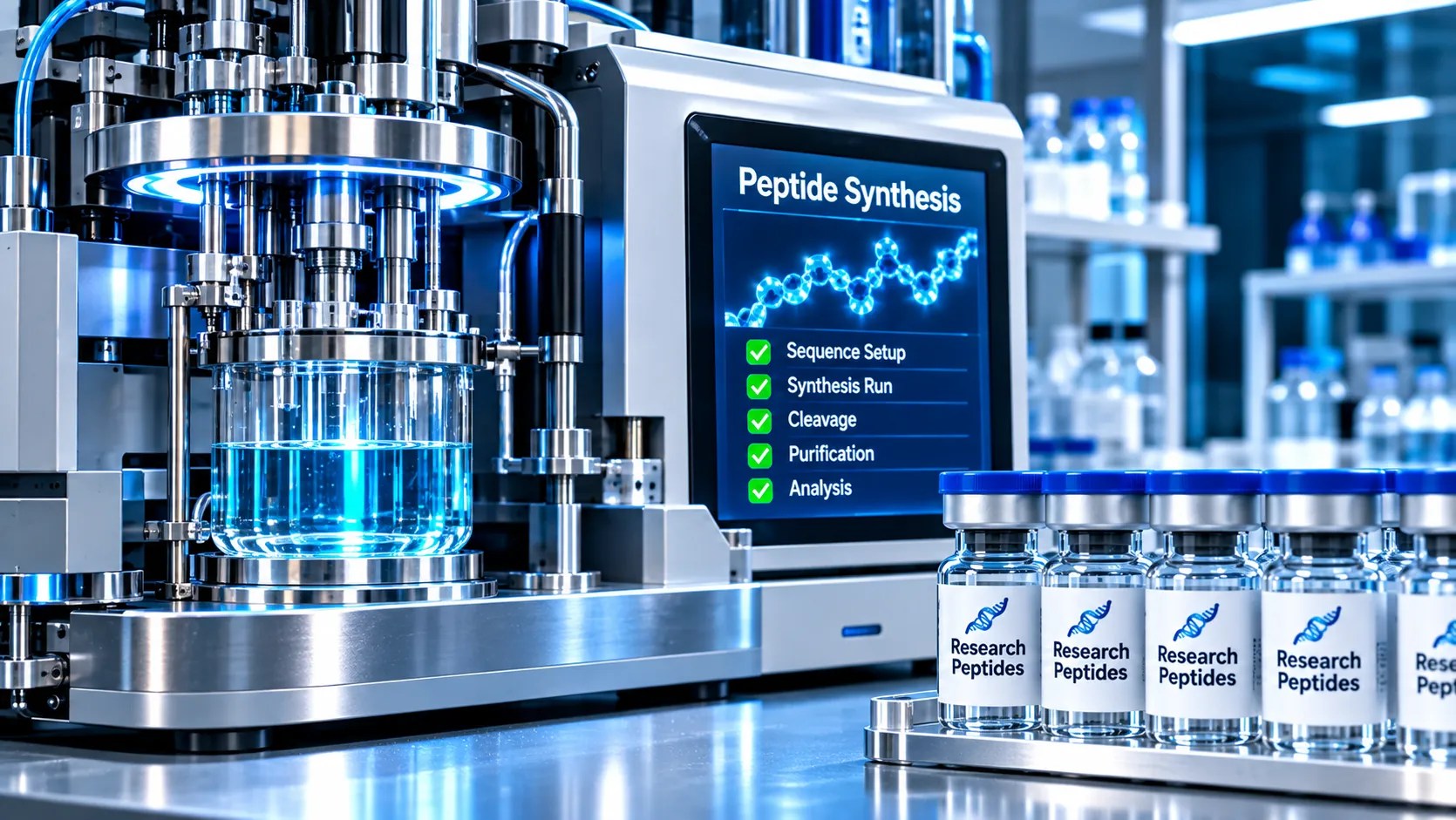
Peptide synthesis brings amino acids together in a specified sequence. Researchers consider assembly, cleavage, purification, and characterization when discussing the resulting material.
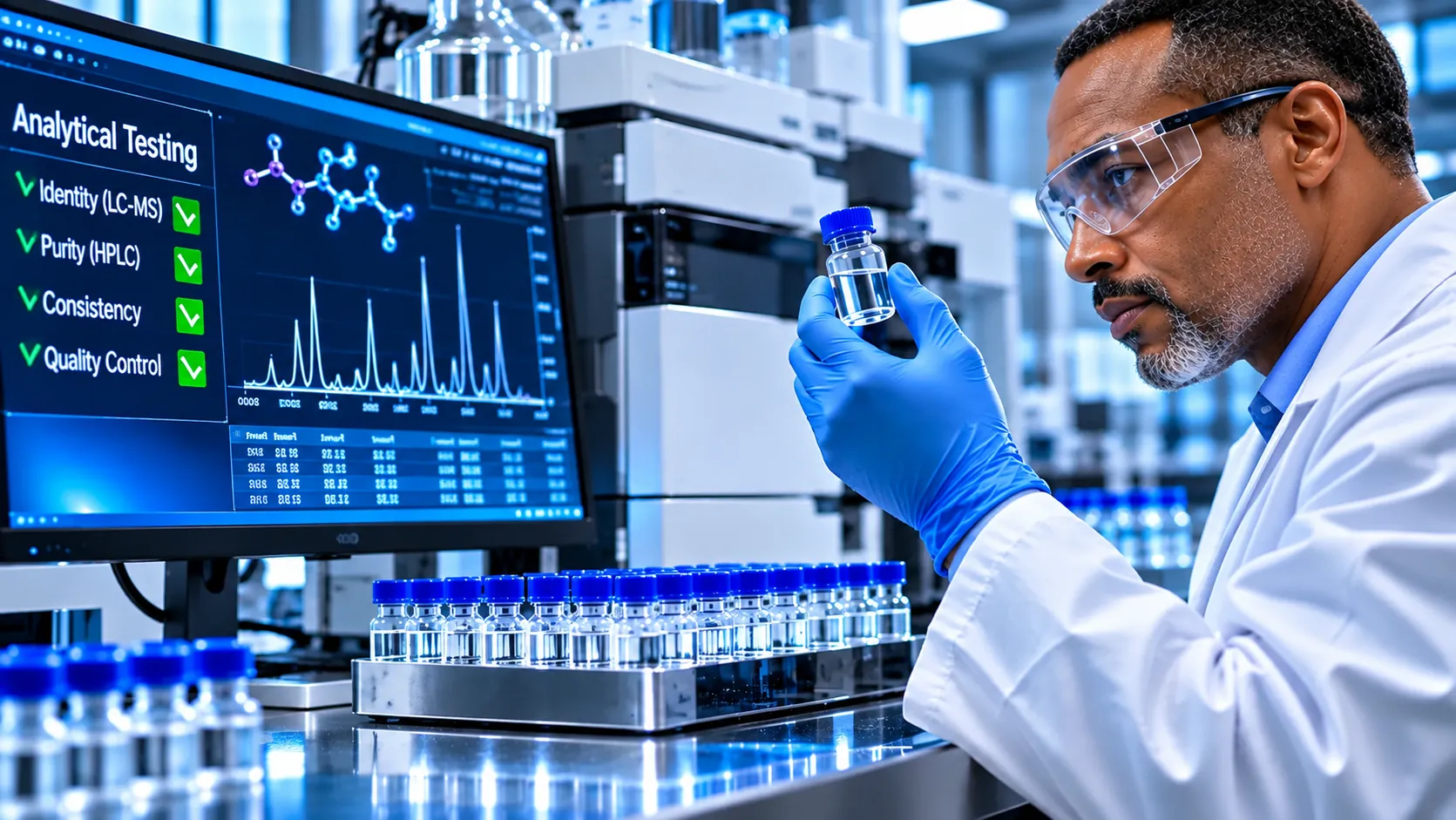
Analytical techniques can help researchers examine peptide identity, composition, and sample characteristics. The appropriate method depends on the material and the question being investigated.
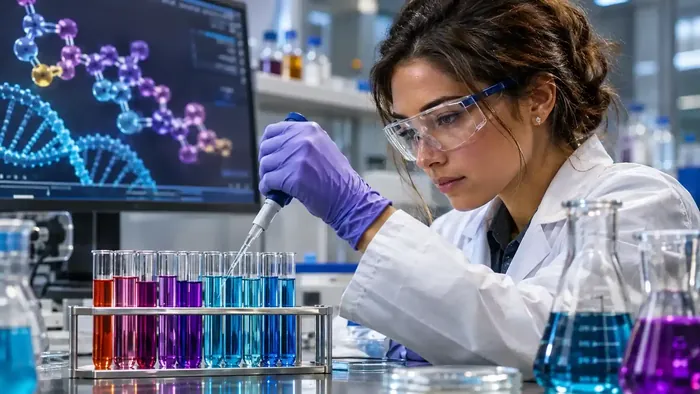
Thoughtful research workflows consider sample labeling, instrumentation, handling procedures, and accurate observations. Technique choices depend on the study design and laboratory protocols.
Peptide structure influences how molecules interact in different research settings. Understanding amino-acid sequence and conformation provides a foundation for asking meaningful scientific questions.
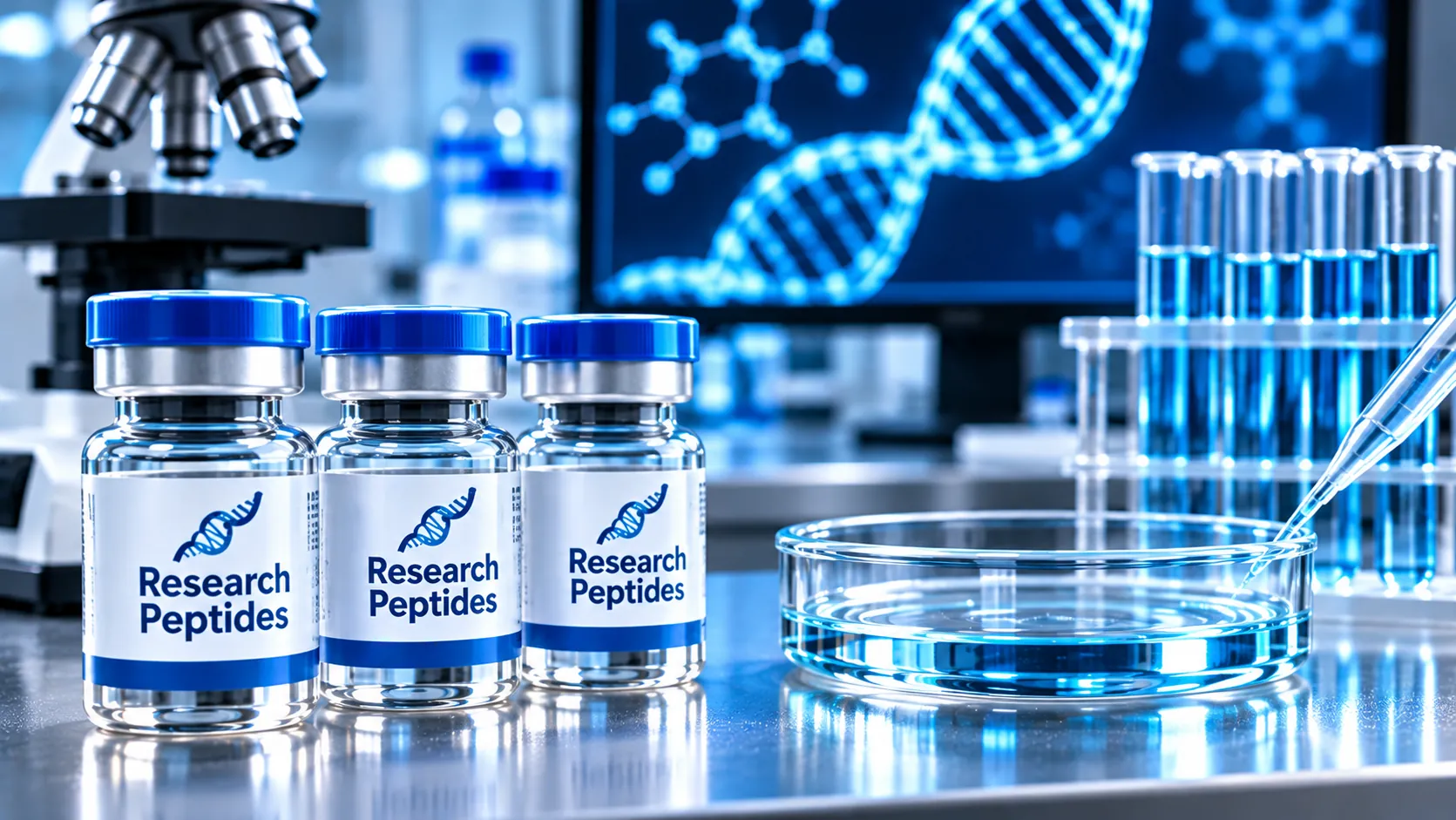
A clear laboratory workflow begins with a well-defined question and follows through with material context, appropriate procedures, documentation, and thoughtful interpretation.
Research-focused decisions benefit from clear terminology, appropriate study design, and documentation. Catalyst Labs can be contacted for information about its research-oriented topics and resources.
Peptide research starts with a clear scientific question. Understanding sequence, technique, analysis, and documentation helps make the next conversation more productive.
An organized approach connects research objectives with molecular knowledge, laboratory methods, and responsible interpretation of findings.
From the amino-acid sequence to the analysis method, each piece of context can improve how a research question is framed.
An elegant directory of strengths and pricing
| Peptide | Strength | Retail | Cost | Kit Price |
|---|---|---|---|---|
| Tirzepatide | 20 mg | $121 | $80 | $600* |
| Tirzepatide | 30 mg | $170 | $95 | $750 |
| Retatrutide | 10 mg | $143 | $70 | $575 |
| Retatrutide | 20 mg | $227 | $95 | $775 |
| Retatrutide | 30 mg | $297 | $120 | $1,000 |
| KLOW | 80 mg | $264 | $90 | $750 |
| TB500 | 5 mg | $98 | — | — |
| TB500 | 10 mg | $185 | $95 | $750 |
| BPC-157 | 5 mg | $53 | $55 | — |
| BPC-157 | 10 mg | $77 | $78 | $600 |
| BPC + TB | 5 mg | $129 | — | — |
| BPC + TB | 10 mg | $216 | $95 | $800 |
| NAD+ | 500 mg | $99 | $75 | $600 |
| NAD+ | 1000 mg | $186 | $95 | $800 |
| PT-141 | 10 mg | $72 | $80 | $650 |
| AOD 9604 | 5 mg | $112 | — | — |
| AOD 9604 | 10 mg | $203 | $90 | $750 |
| MOTS-C | 10 mg | $75 | $81 | $595 |
| MOTS-C | 40 mg | $248 | $160 | $1,300 |
| Adipotide | 5 mg | $154 | $90 | $750 |
| Semax | 5 mg | $49 | — | — |
| Semax | 10 mg | $80 | $75 | $600* |
| ARA 290 | 10 mg | $110 | $75 | $600 |
| DSIP | 5 mg | $66 | $65 | $500 |
| DSIP | 10 mg | $99 | $90 | $750 |
| Hexarelin Acetate | 5 mg | $96 | $85 | $700 |
| Kisspeptin-10 | 10 mg | $129 | $90 | $750 |
| Oxytocin Acetate | 2 mg | $40 | — | — |
| Oxytocin Acetate | 5 mg | $69 | $65 | $500 |
| Selank | 5 mg | $55 | $60 | — |
| Selank | 10 mg | $80 | $80 | $650 |
| Tesamorelin | 5 mg | $124 | — | — |
| Tesamorelin | 10 mg | $242 | $85 | $700* |
| IGF-1 LR3 | 0.1 mg | $50 | — | — |
| IGF-1 LR3 | 1 mg | $242 | $95 | $800 |
| 10-Amino-1MQ | 10 mg | $174 | $85 | $700 |
| 5-Amino-1MQ | 5 mg | $121 | — | — |
| Lemon Bottle | 10 mL | $80 | $75 | $600 |
| L-Carnitine | 600 mg | $143* | — | — |
| L-Carnitine | 1200 mg | $55 | $85 | $700 |
| Epitalon | 10 mg | $99 | $85 | $700 |
| Unidentified entry* | 50 mg | $179 | $110 | $950 |
| HMG | 75 IU | $69 | $70 | $550 |
| Mazdutide | 10 mg | $215 | $100 | $900 |
| Survodutide | 10 mg | $325 | $150 | $1,200 |
| Ipamorelin | 5 mg | $62 | — | — |
| Ipamorelin | 10 mg | $80 | $85 | $600 |
| Thymosin Alpha-1 | 5 mg | $110 | — | — |
| Thymosin Alpha-1 | 10 mg | $185 | $95 | $800 |
| Thymalin | 10 mg | $70 | $65 | $500 |
| AICAR | 50 mg | $88 | $80 | $650 |
| AICAR | 5 mg | $77 | — | — |
| GHRP-2 Acetate | 10 mg | $72 | $65 | $500 |
| GHRP-6 Acetate | 5 mg | $77 | $70 | $550 |
| GHRP-6 Acetate | 10 mg | $99 | — | — |
| Glutathione | 600 mg | $65 | — | — |
| Glutathione | 1500 mg | $98 | $70 | $550 |
| SNAP-8 | 10 mg | $66 | $65 | $500 |
| LL-37 | 5 mg | $99 | $70 | $550 |
| VIP | 10 mg | $196 | $100 | $850 |
| FOXO4 | 10 mg | $396 | $150 | $1,350 |
| MGF | 2 mg | $69 | $65 | $500 |
| PEG MGF | 2 mg | $99 | $80 | $650 |
| HCG | 5000 IU | $110 | $45 | $325 |
| HCG | 10000 IU | $198 | $75 | $600 |
Source: four handwritten notebook pages. A dash means no value was recorded. Asterisks flag entries to verify before publishing: Tirzepatide 20 mg kit, Semax 10 mg kit, Tesamorelin 10 mg kit, L-Carnitine 600 mg cost, and the unnamed 50 mg entry (a handwritten note nearby mentions HCG/HMG). The 600 mg L-Carnitine line is crossed out in the source. These are unverified reference figures, not confirmed sale prices or claims of regulatory authorization.
Explore visual perspectives on molecular structures, laboratory work, and the methods that inform peptide research.
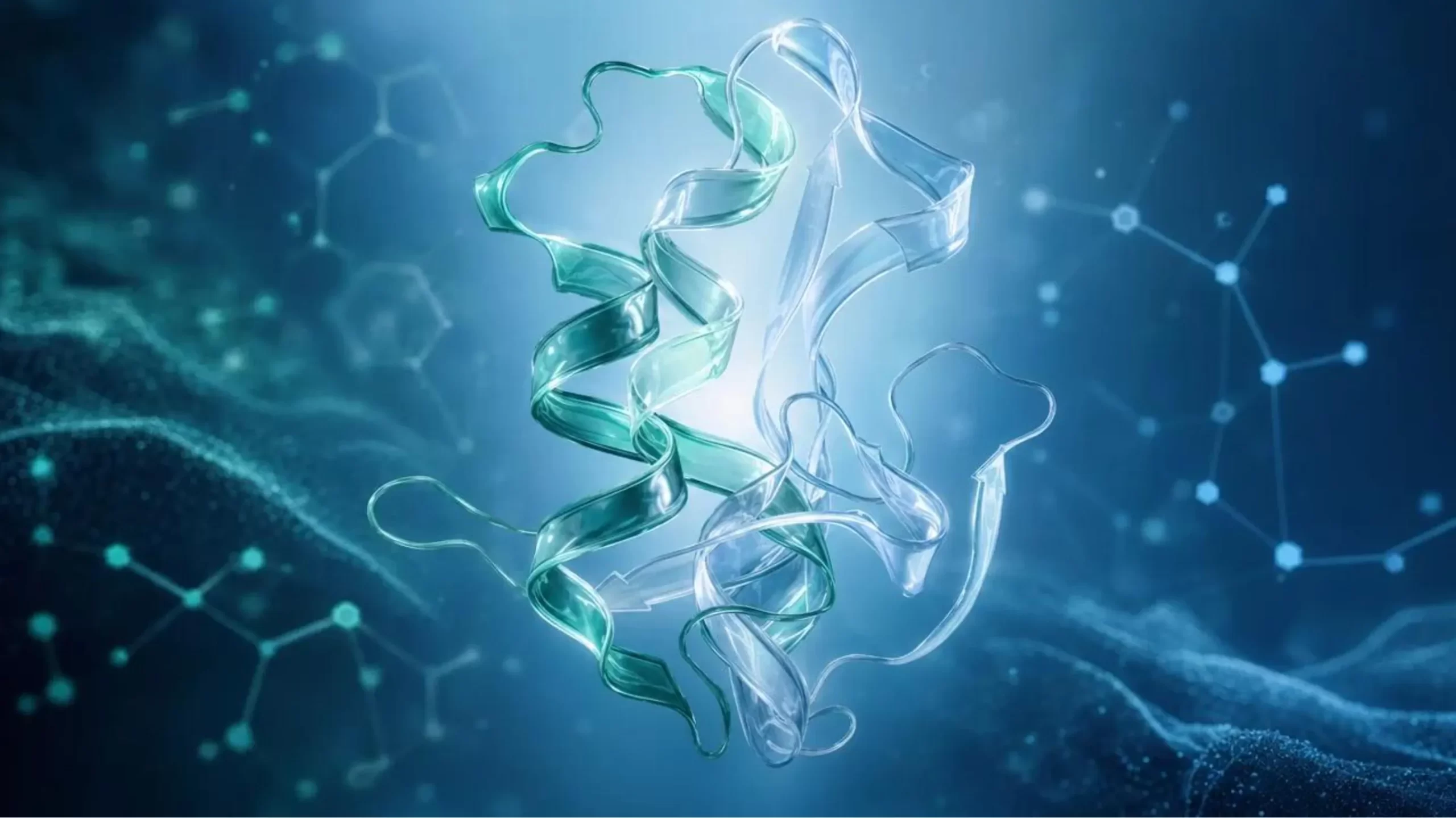
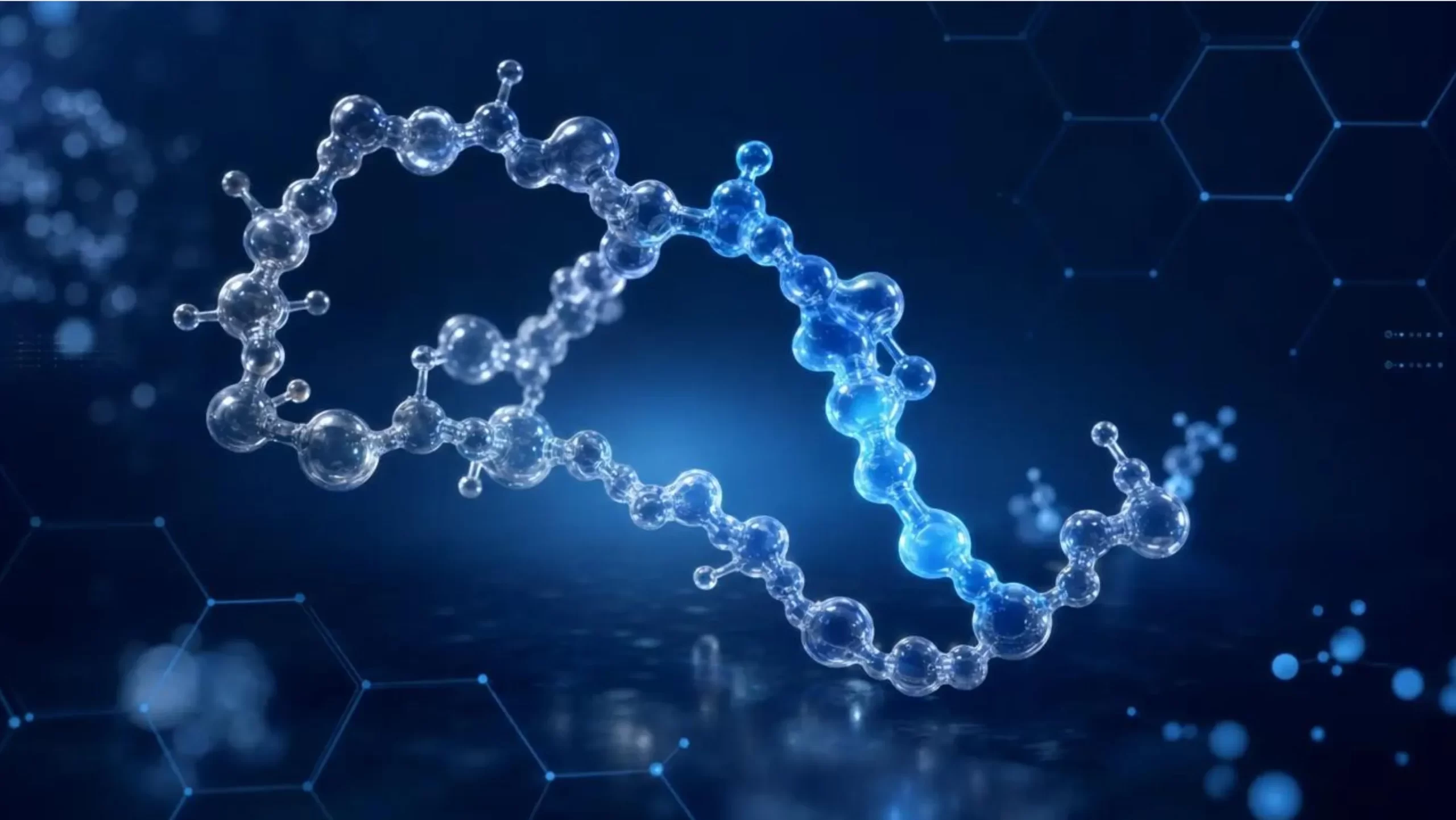
An abstract peptide-like ribbon structure against a deep-blue molecular backdrop.
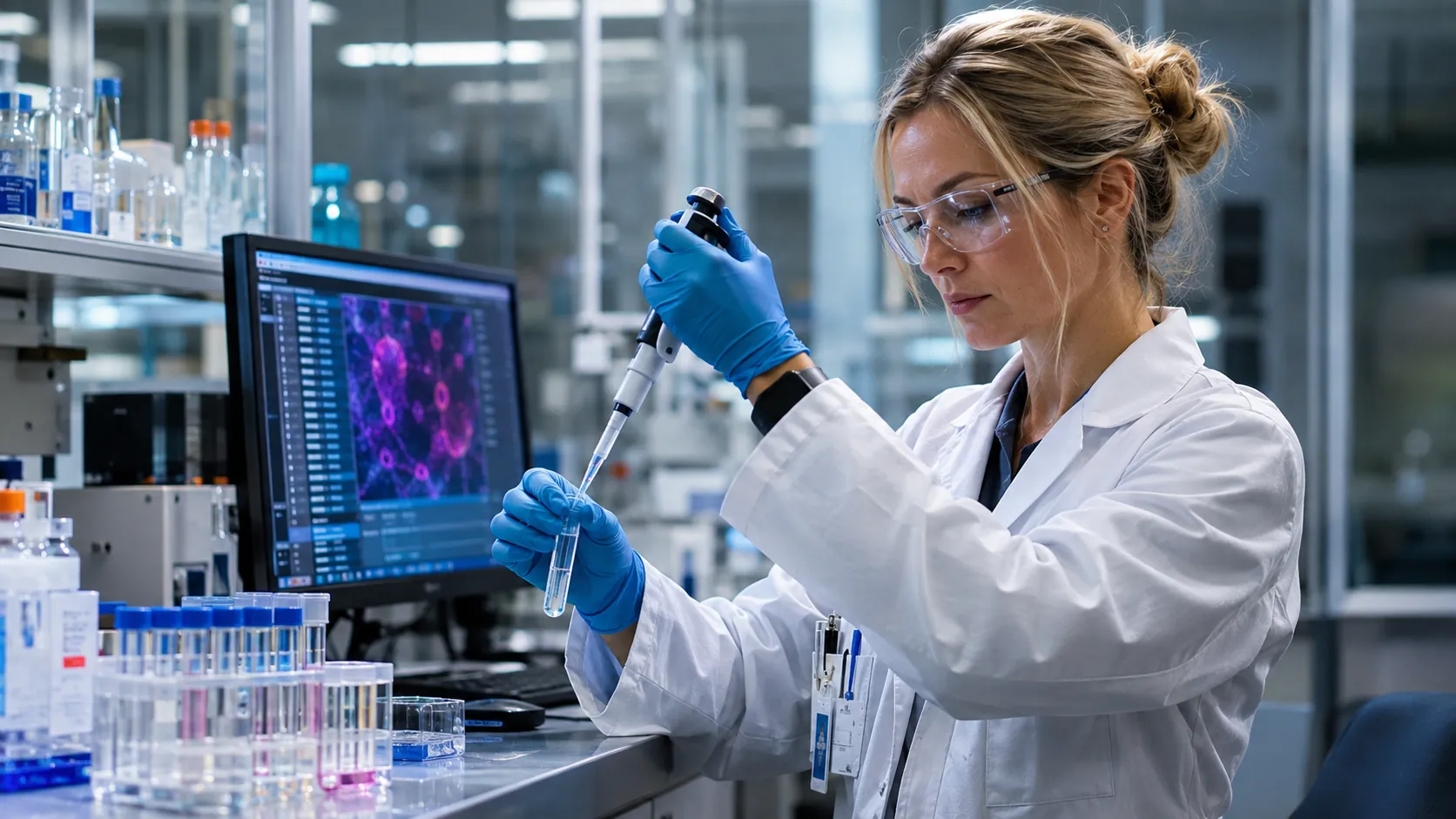
A close view of a scientist working with pipetting equipment in a research laboratory.
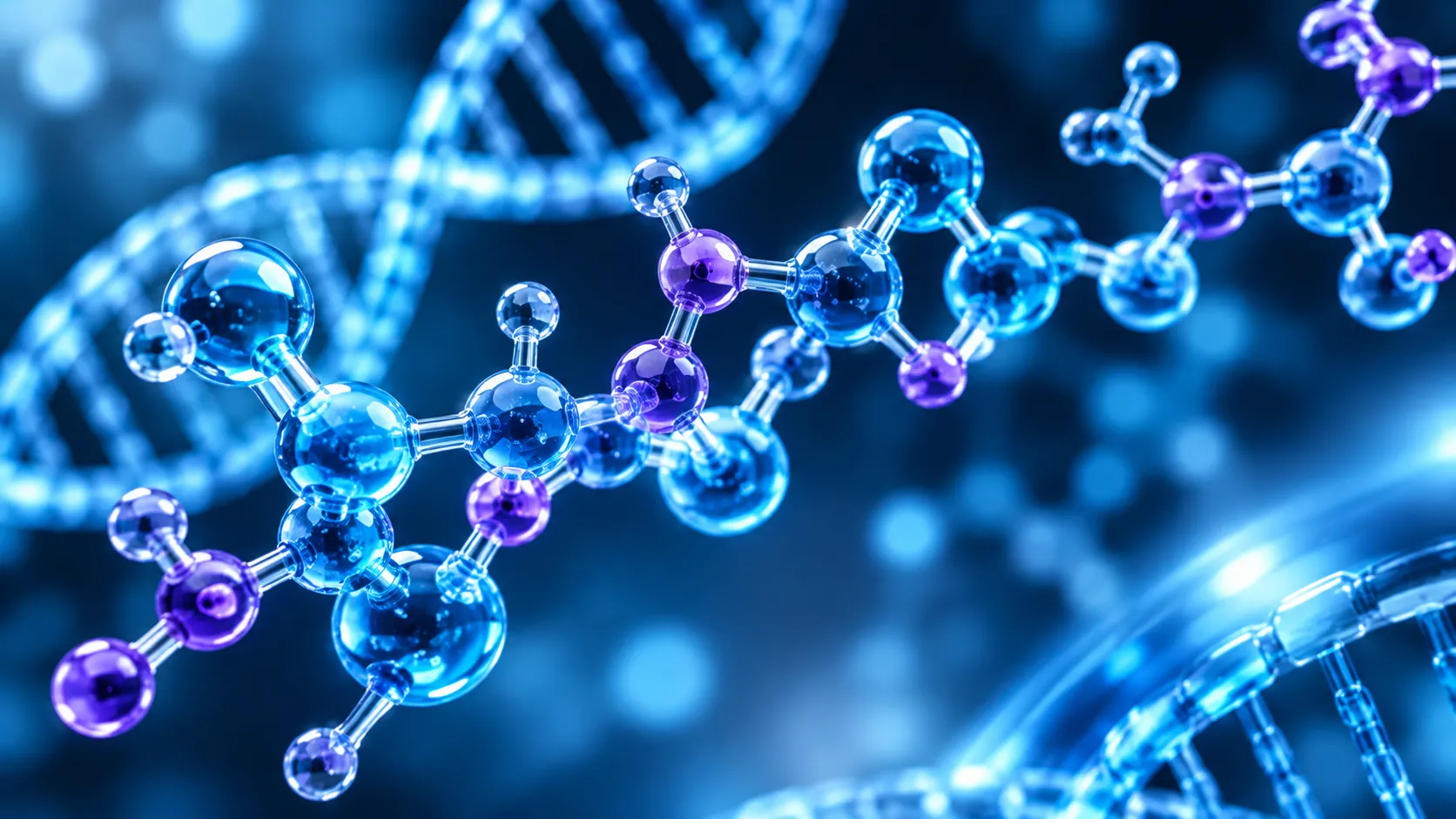
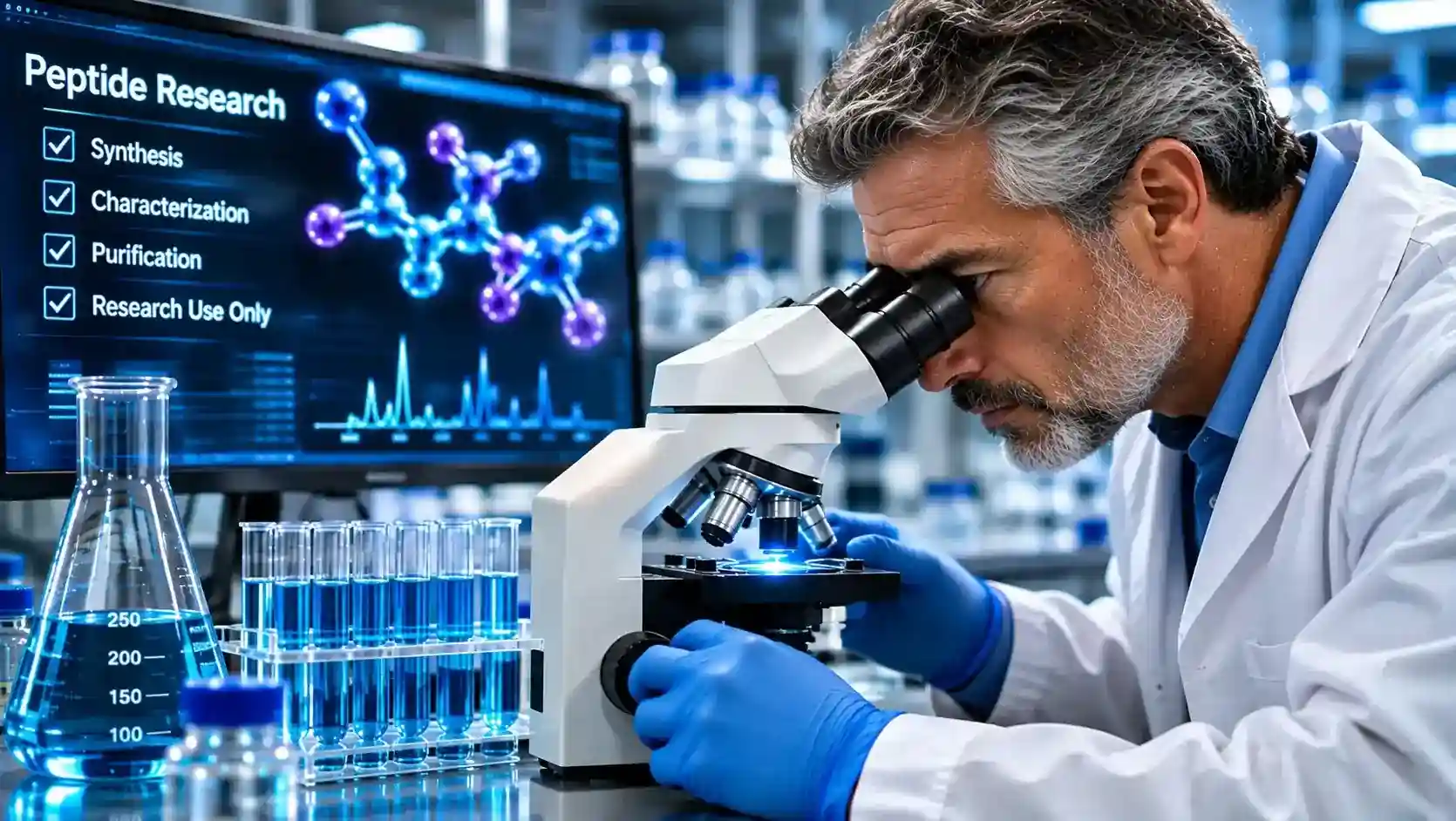
A glowing chain-and-helix visualization illustrating the visual language of molecular research.
Gallery visuals illustrate scientific themes; they do not independently verify laboratory methods, product availability, purity, or testing.
Catalyst Labs introduces research-oriented peptide science, including molecular concepts, laboratory methods, and research-use considerations. Details about specific products, capabilities, or testing should be confirmed directly.
From synthesis and analytical methods to sample handling and study documentation, the goal is to make peptide science easier to explore and questions easier to frame.
Shawn Peoples • Owner
Catalyst Labs
Research Peptides & Molecular Science
618-521-7240

A starting point for understanding peptide science, analytical methods, laboratory context, and research-use considerations.
A peptide is a chain of amino acids linked by peptide bonds. Sequence and molecular structure affect the properties researchers may investigate.
Peptide synthesis refers to assembling a specified amino-acid sequence. Research discussions may also address cleavage, purification, and characterization.
Scientists may use techniques such as liquid chromatography or mass spectrometry to investigate certain characteristics. The scope and limitations of any result depend on the specific method and sample.
Ask which identity, analytical, handling, and batch-specific documents are actually available. A laboratory image or general website statement is not proof of a particular test result.
Research use depends on the scientific study, trained personnel, institutional rules, and appropriate laboratory protocols. This website does not provide clinical, human-use, or dosing guidance.
This site presents materials strictly in a laboratory research context, not for human or veterinary use. Do not interpret this website as prescribing, treatment, safety, or dosage advice.
For information about Catalyst Labs, its research-focused materials, or available documentation, call 618-521-7240. Availability and capabilities should be confirmed directly.
Connect with Catalyst Labs and owner Shawn Peoples to ask about research peptides, molecular science topics, and any available research materials or documentation. For laboratory research context only.
Scientific research context only. Not intended for human or veterinary use, diagnosis, treatment, or dosing advice.