Peptide Structure & Identity
Learn how sequence, molecular mass, structure, and peptide nomenclature relate to research identification. A name or visual alone is not evidence of composition or suitability.

Catalyst Labs is focused on the research-peptide field and the scientific questions that surround it. Shawn Peoples is the business owner. This site introduces research topics and inquiry pathways without making unverified claims about inventory, independent testing, certifications, or laboratory services.
Every research project benefits from defining the peptide of interest, the relevant analytical questions, and the records needed to interpret findings. Explore the topics below as a starting point for informed inquiry.
Learn how sequence, molecular mass, structure, and peptide nomenclature relate to research identification. A name or visual alone is not evidence of composition or suitability.
Consider what analytical approaches such as chromatography and mass spectrometry can and cannot establish, and why methods, traceability, and actual results matter.
Organize research goals, sample identifiers, handling considerations, methods, observations, and records so scientific questions remain clear from start to finish.
Peptide characterization may involve several complementary measurements. Results depend on the actual material tested, the method used, the acceptance criteria, and the data that can be reviewed.
Practical research planning begins with a defined objective, documented sample identifiers, and a clear understanding of method limitations. A consistent workflow makes it easier to compare observations and identify questions requiring further investigation.
Each step addresses a different question. Together they help keep the scientific objective separate from assumptions or promotional claims.
State what is being studied, identify the relevant peptide information, and specify what evidence would address the research question.
Consider analytical methods, sample identity, reported results, and relevant limitations before drawing interpretations.
Keep methods, observations, sample references, and unresolved questions clearly connected for future review.
Terms such as purity and verification are meaningful only when tied to a defined method and authentic evidence. Catalyst Labs encourages research-oriented questions about sample identity, handling, analytical reports, and study limitations. Nothing here should be interpreted as a claim that a particular product or batch has passed testing.
The number shown is a visual three-step research framework, not a measured quality score, purity percentage, or laboratory performance claim.
Chromatographic separation, mass-based analysis, sample preparation, controls, and documentation can each play a different role in peptide studies. The appropriate combination depends on the actual research goal and laboratory protocol.
An organized project considers the target peptide or research question, sample handling requirements, documentation, method selection, and interpretation boundaries. Specific capabilities, availability, turnaround times, and pricing must be confirmed directly with Catalyst Labs before any arrangement is made.
This three-step visual represents planning, evaluation, and documentation. It does not claim specific laboratory testing, product availability, turnaround times, or outcomes. Contact Catalyst Labs about the requirements of your particular inquiry.
Discuss a Research Project
Explore six useful areas to consider when reading about peptides and scientific laboratory work. These are educational research topics, not a published inventory, product specification, or certification of any material.
An elegant directory of strengths and pricing
| Peptide | Strength | Cost | Retail | Kit Price |
|---|---|---|---|---|
| Tirzepatide | 20 mg | $121 | $80 | $600* |
| Tirzepatide | 30 mg | $170 | $95 | $750 |
| Retatrutide | 10 mg | $143 | $70 | $575 |
| Retatrutide | 20 mg | $227 | $95 | $775 |
| Retatrutide | 30 mg | $297 | $120 | $1,000 |
| KLOW | 80 mg | $264 | $90 | $750 |
| TB500 | 5 mg | $98 | — | — |
| TB500 | 10 mg | $185 | $95 | $750 |
| BPC-157 | 5 mg | $53 | $55 | — |
| BPC-157 | 10 mg | $77 | $78 | $600 |
| BPC + TB | 5 mg | $129 | — | — |
| BPC + TB | 10 mg | $216 | $95 | $800 |
| NAD+ | 500 mg | $99 | $75 | $600 |
| NAD+ | 1000 mg | $186 | $95 | $800 |
| PT-141 | 10 mg | $72 | $80 | $650 |
| AOD 9604 | 5 mg | $112 | — | — |
| AOD 9604 | 10 mg | $203 | $90 | $750 |
| MOTS-C | 10 mg | $75 | $81 | $595 |
| MOTS-C | 40 mg | $248 | $160 | $1,300 |
| Adipotide | 5 mg | $154 | $90 | $750 |
| Semax | 5 mg | $49 | — | — |
| Semax | 10 mg | $80 | $75 | $600* |
| ARA 290 | 10 mg | $110 | $75 | $600 |
| DSIP | 5 mg | $66 | $65 | $500 |
| DSIP | 10 mg | $99 | $90 | $750 |
| Hexarelin Acetate | 5 mg | $96 | $85 | $700 |
| Kisspeptin-10 | 10 mg | $129 | $90 | $750 |
| Oxytocin Acetate | 2 mg | $40 | — | — |
| Oxytocin Acetate | 5 mg | $69 | $65 | $500 |
| Selank | 5 mg | $55 | $60 | — |
| Selank | 10 mg | $80 | $80 | $650 |
| Tesamorelin | 5 mg | $124 | — | — |
| Tesamorelin | 10 mg | $242 | $85 | $700* |
| IGF-1 LR3 | 0.1 mg | $50 | — | — |
| IGF-1 LR3 | 1 mg | $242 | $95 | $800 |
| 10-Amino-1MQ | 10 mg | $174 | $85 | $700 |
| 5-Amino-1MQ | 5 mg | $121 | — | — |
| Lemon Bottle | 10 mL | $80 | $75 | $600 |
| L-Carnitine | 600 mg | $143* | — | — |
| L-Carnitine | 1200 mg | $55 | $85 | $700 |
| Epitalon | 10 mg | $99 | $85 | $700 |
| Unidentified entry* | 50 mg | $179 | $110 | $950 |
| HMG | 75 IU | $69 | $70 | $550 |
| Mazdutide | 10 mg | $215 | $100 | $900 |
| Survodutide | 10 mg | $325 | $150 | $1,200 |
| Ipamorelin | 5 mg | $62 | — | — |
| Ipamorelin | 10 mg | $80 | $85 | $600 |
| Thymosin Alpha-1 | 5 mg | $110 | — | — |
| Thymosin Alpha-1 | 10 mg | $185 | $95 | $800 |
| Thymalin | 10 mg | $70 | $65 | $500 |
| AICAR | 50 mg | $88 | $80 | $650 |
| AICAR | 5 mg | $77 | — | — |
| GHRP-2 Acetate | 10 mg | $72 | $65 | $500 |
| GHRP-6 Acetate | 5 mg | $77 | $70 | $550 |
| GHRP-6 Acetate | 10 mg | $99 | — | — |
| Glutathione | 600 mg | $65 | — | — |
| Glutathione | 1500 mg | $98 | $70 | $550 |
| SNAP-8 | 10 mg | $66 | $65 | $500 |
| LL-37 | 5 mg | $99 | $70 | $550 |
| VIP | 10 mg | $196 | $100 | $850 |
| FOXO4 | 10 mg | $396 | $150 | $1,350 |
| MGF | 2 mg | $69 | $65 | $500 |
| PEG MGF | 2 mg | $99 | $80 | $650 |
| HCG | 5000 IU | $110 | $45 | $325 |
| HCG | 10000 IU | $198 | $75 | $600 |
Source: four handwritten notebook pages. A dash means no value was recorded. Asterisks flag entries to verify before publishing: Tirzepatide 20 mg kit, Semax 10 mg kit, Tesamorelin 10 mg kit, L-Carnitine 600 mg cost, and the unnamed 50 mg entry (a handwritten note nearby mentions HCG/HMG). The 600 mg L-Carnitine line is crossed out in the source. These are unverified reference figures, not confirmed sale prices or claims of regulatory authorization.
Explore molecular visualization, laboratory environments, and research vessels. Images illustrate research themes and do not verify any specific Catalyst Labs product, facility, or test result.
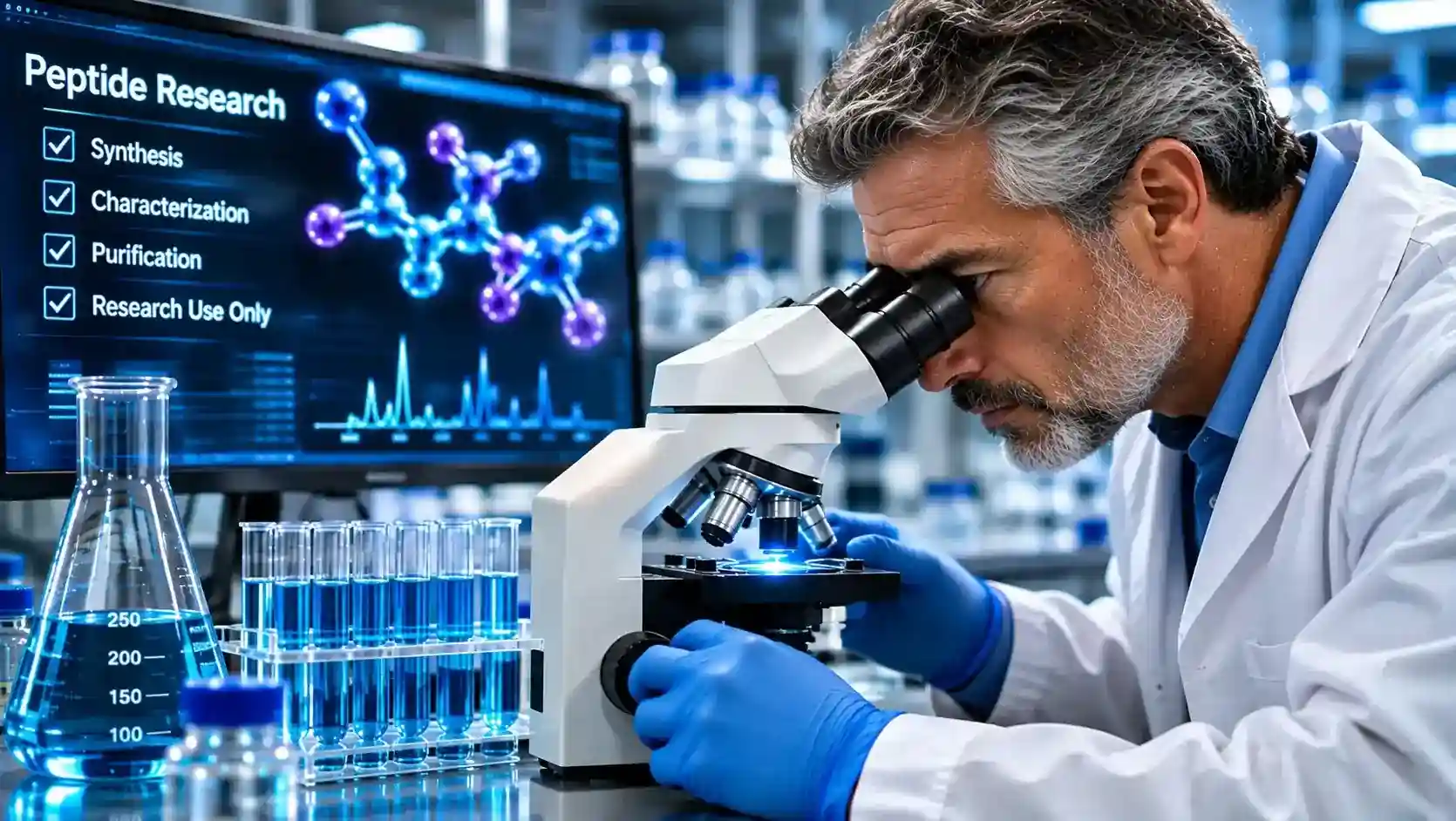

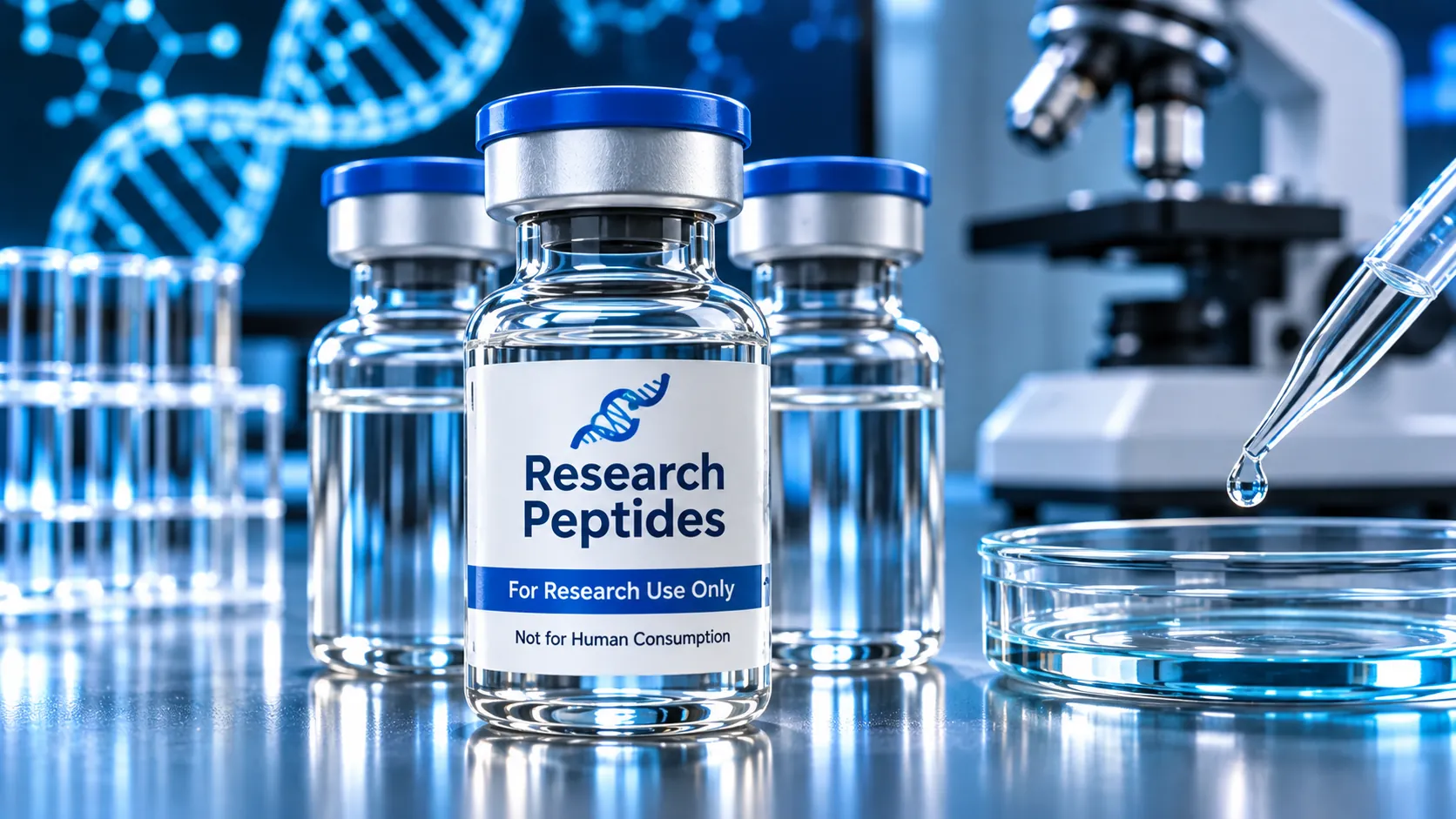
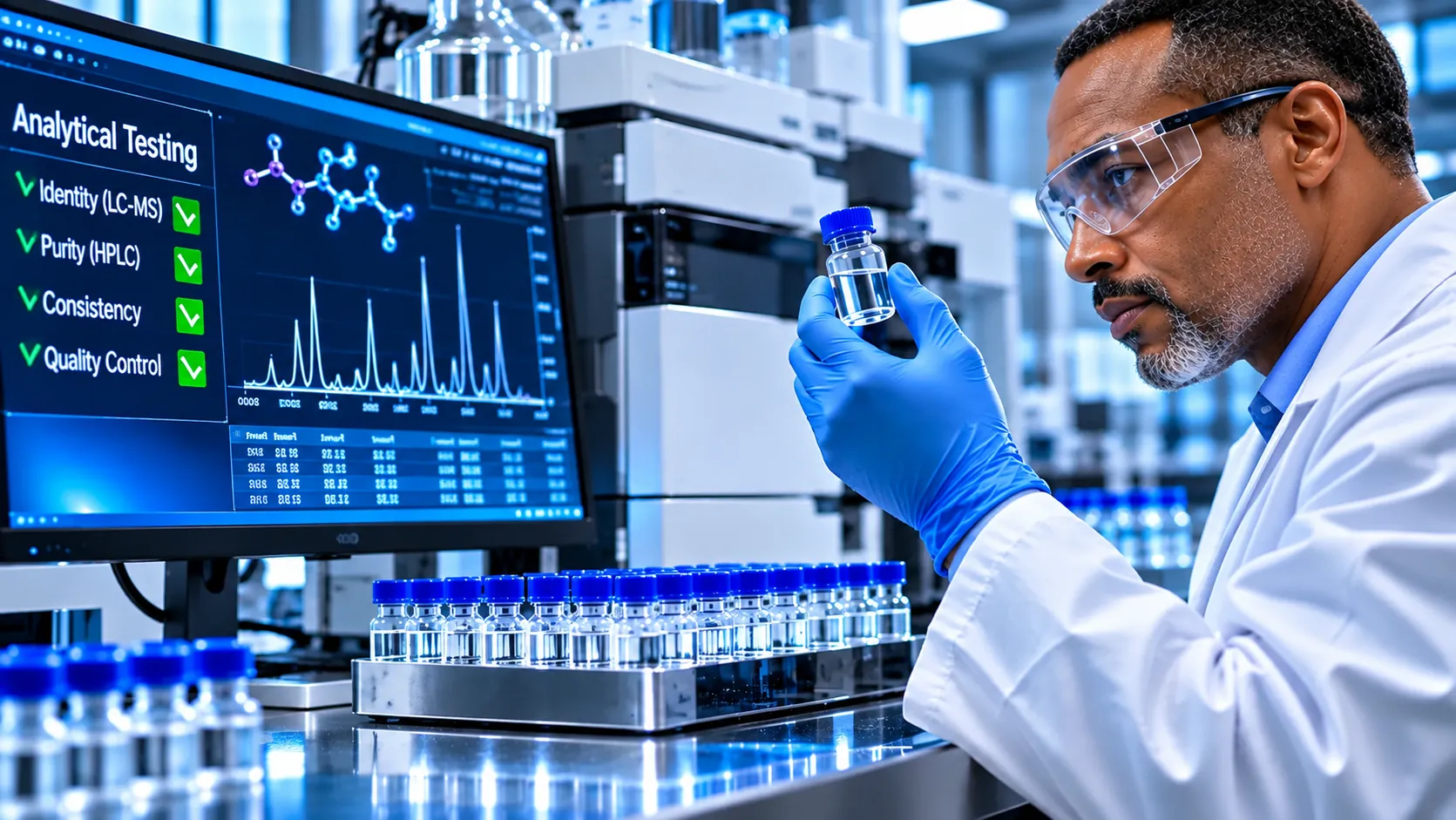
Research peptides are investigated in specialized laboratory settings. Their sequence, structure, stability, and analytical characteristics shape the questions researchers can ask. This section introduces those concepts without presenting product-specific certificates or asserting suitability for a particular application.
This information is educational. Research peptides are for legitimate laboratory research only and are not intended for human consumption, self-administration, veterinary treatment, or clinical use. Confirm product-specific information and any services directly.
A research peptide is a peptide studied in a scientific context. Its suitability for a specific experiment depends on its identity, characteristics, actual documentation, and the study protocol—not simply on a product label.
Purity is a method-dependent analytical descriptor. To interpret a reported percentage, ask what was measured, by which method, against which reference and acceptance criteria, and for which sample or batch.
Describe the research context, peptide or molecular topic, quantity or sample information if relevant, documentation questions, and any specific methods you are interested in. Do not include sensitive medical details.
No. Research peptides discussed here are for laboratory research only. They are not presented for human or veterinary use, and this site does not provide medical, dosing, or administration instructions.
No. Laboratory imagery illustrates the scientific setting; photographs are not evidence of actual batch testing, identity, purity, sterility, or regulatory compliance. Those require relevant source-specific documentation.
You can call Catalyst Labs at (618) 521-7240. Ask about your research question and what information would be useful to share before discussing any product or project details.
Contact Shawn Peoples at Catalyst Labs about research-peptide inquiries, documentation questions, or the general scope of a laboratory project. Specific products, services, suitability, scheduling, and commercial terms are subject to direct confirmation.