Lawn mowing
Mowing manages grass height across accessible lawn areas. The right approach considers grass type, current growth and ground conditions.
Ask about an ongoing schedule or an assessment of an overgrown lawn.
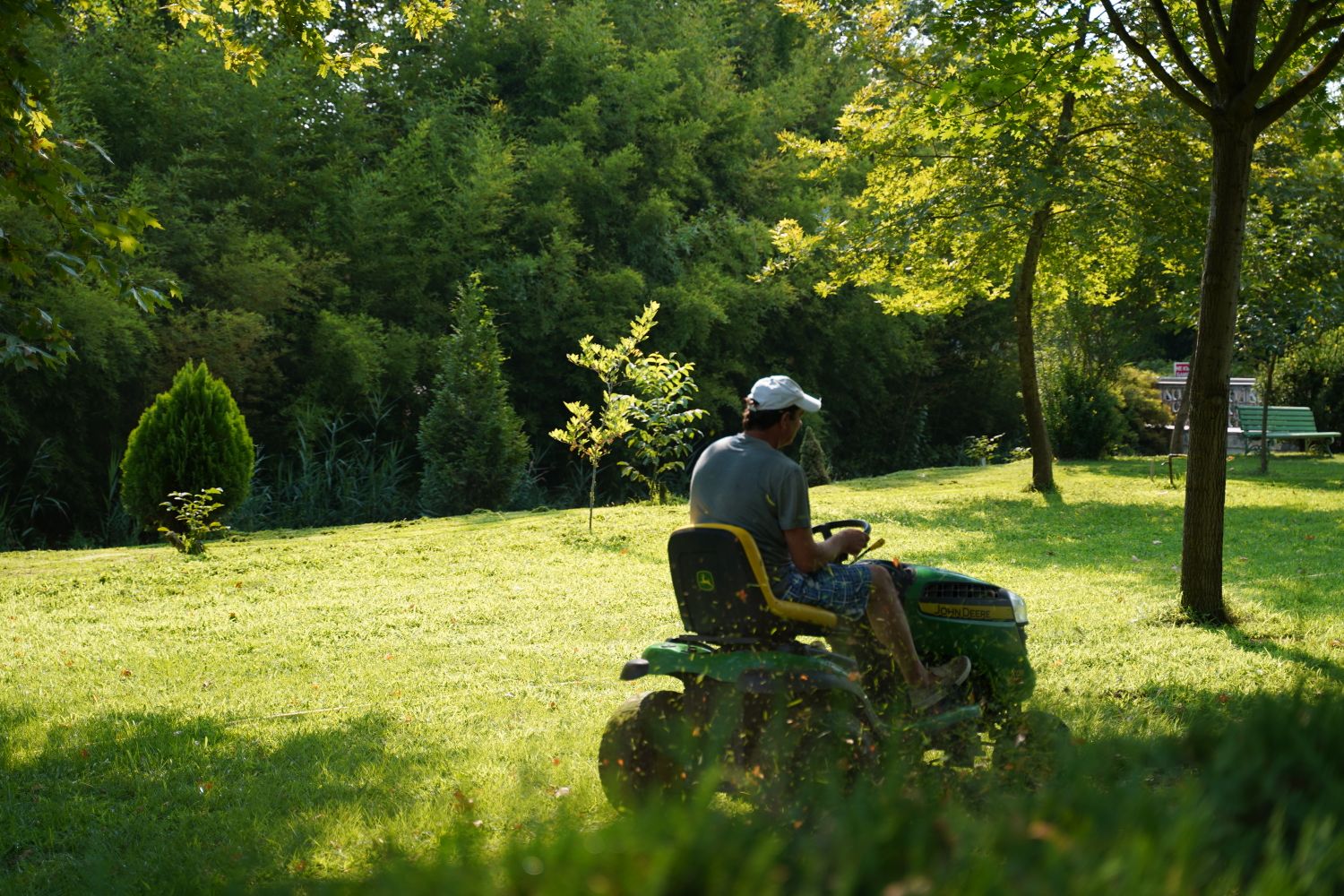
A tidy lawn starts with the right cut. Explore mowing and finishing options, then tell us what your yard needs.
Ask About Your LawnExplore Lawn CareThe details make the difference. Cutting height, neat boundaries and a thoughtful cleanup all matter when planning lawn care.
A mowing visit can involve more than cutting grass. Use these common lawn-care categories to explain the work you want included in your estimate.
Mowing manages grass height across accessible lawn areas. The right approach considers grass type, current growth and ground conditions.
Ask about an ongoing schedule or an assessment of an overgrown lawn.
Trimming reaches areas around fences, trees and obstacles. Edging defines the boundary between grass and hard surfaces.
Confirm which paths, driveways and garden borders you want included.
Clippings may be mulched into the lawn or collected, depending on the conditions and agreed scope.
Ask whether clearing paths and removing bagged material are included.
Every lawn has its own challenges: narrow access, shaded areas, uneven ground or grass that grows faster after rain.
Describing those details helps shape a practical mowing plan. It also makes it easier to discuss expectations before any work is arranged.
Start with the areas you need cut, the finish you prefer and anything that needs special attention. Confirm availability, scope and pricing directly before booking.
Tell Us About Your Yard
Illustrative lawn-care photography; not a completed-project gallery.
A few practical details help clarify what your lawn needs. You do not need exact measurements to start the conversation.
These general answers can help you discuss a plan that suits your property. Confirm the actual service details when making an inquiry.
Frequency depends on grass type, season, weather and how quickly the lawn grows. Ask about a schedule based on the lawn’s condition rather than assuming every yard needs the same interval.
Lawn size, grass height, access, slopes, obstacles and the requested finishing work can all affect an estimate. Describe the property and confirm the full scope before agreeing to a price.
Trimming cuts grass in places a mower cannot easily reach, such as near fences. Edging creates a defined boundary along paths and other hard surfaces. Ask which tasks are included.
Remove toys, hoses and loose items, clear pet waste and arrange access through gates. Let the operator know about irrigation heads, hidden obstacles or areas that need to be avoided.
Wet grass can clump, and soft ground can be damaged by equipment. Weather and ground conditions may require a change of plan. Confirm how unsuitable conditions affect scheduling.
Clippings may be mulched back into the lawn or collected, depending on the conditions and agreed work. Ask specifically about bagging, disposal and clearing clippings from paved areas.
A heavily overgrown lawn may need a different approach from routine mowing. Share the approximate grass height and any hidden debris so the work, equipment and pricing can be assessed.
Include your location, approximate lawn size, current condition and the work you want. Mention gates, slopes and any preferred timing. Availability and the final scope should be confirmed directly.
Tell us where the property is, what needs attention and the kind of mowing arrangement you have in mind.
Start a Lawn Care Inquiry