A strong project starts with a clear plan.
From early planning and structural work to remodeling and exterior improvements, every decision affects the result. Explore the work ahead and start a conversation about your project.
A clear scope, thoughtful sequencing, and the right details are useful foundations for any construction conversation.
Understanding the work before it begins
Construction can involve several connected phases. These four areas offer a starting point for discussing scope, materials, sequence, and the outcome you have in mind.
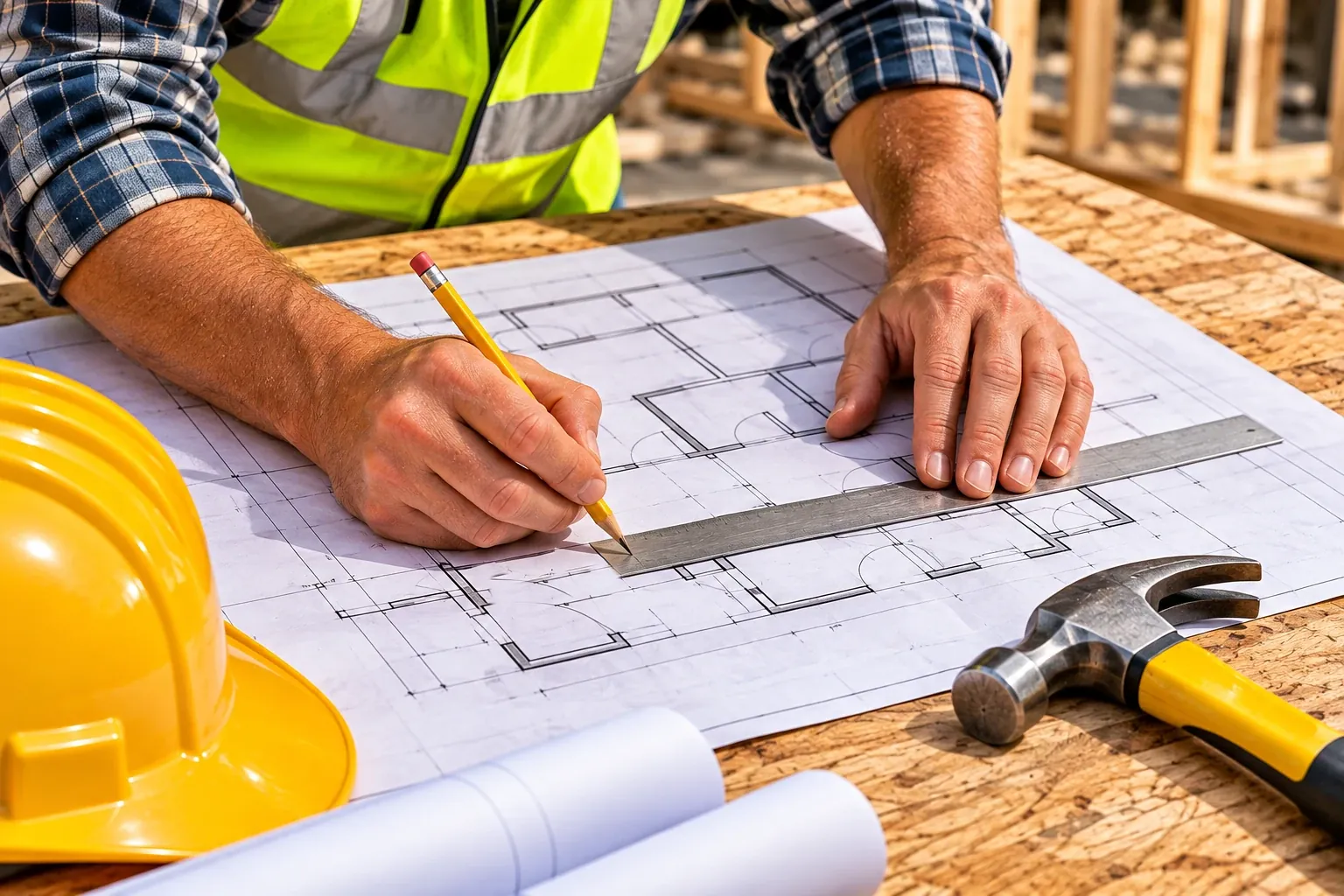
Planning & preparation
Good preparation connects what you want to achieve with the real conditions of the property. Measurements, drawings, access, and a practical work sequence all help shape a clearer conversation.
- Identify the areas of work and desired results.
- Review photographs, rough dimensions, and any existing plans.
- Discuss site access, dependencies, and potential approvals.
Structural construction
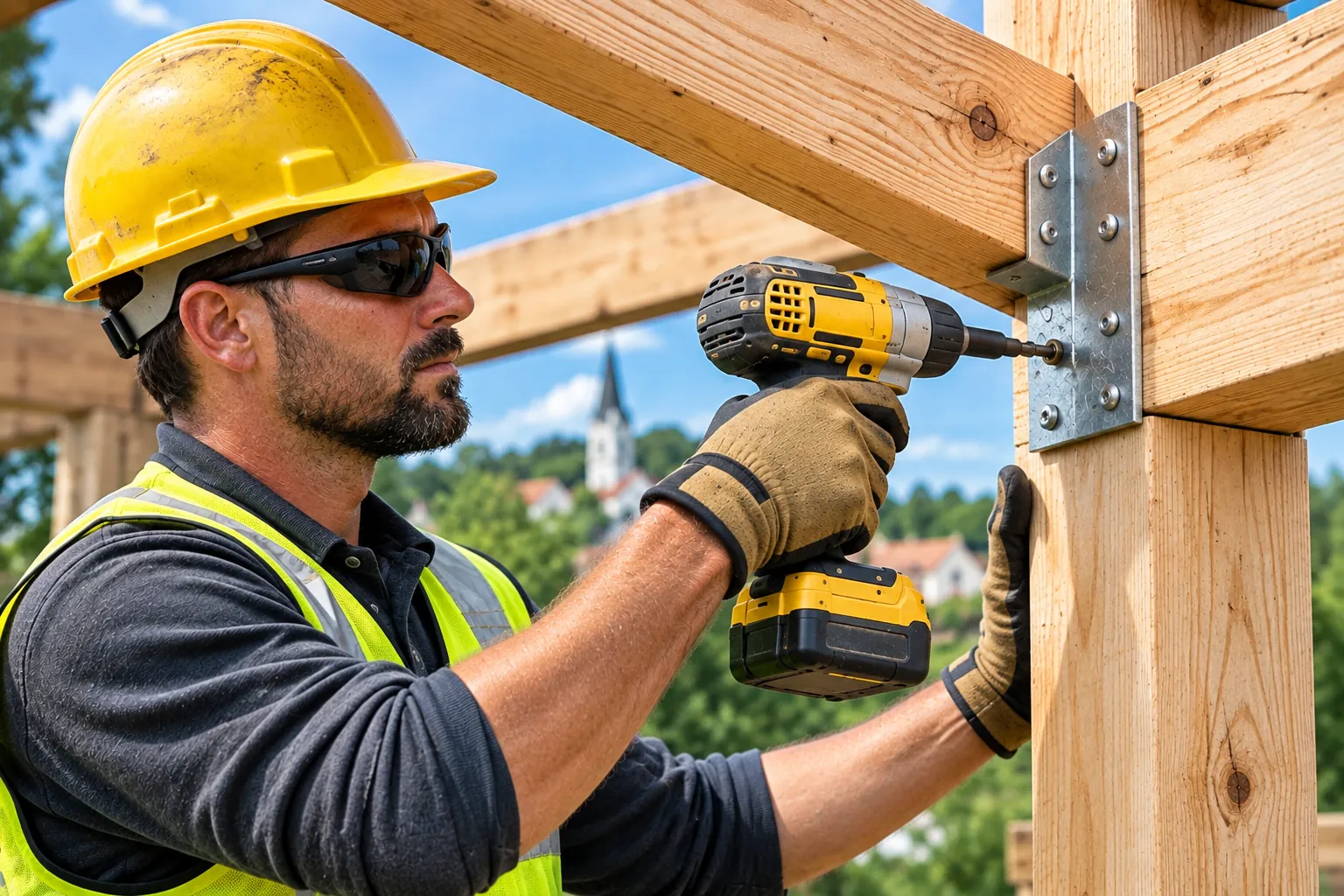
Framing, fasteners, and connections play an important role in the integrity of a building. The required design, materials, and construction steps depend on the structure and the work involved.
- Understand the intended structural changes.
- Consider load paths, existing conditions, and access.
- Clarify the applicable drawings, inspections, and sequence.
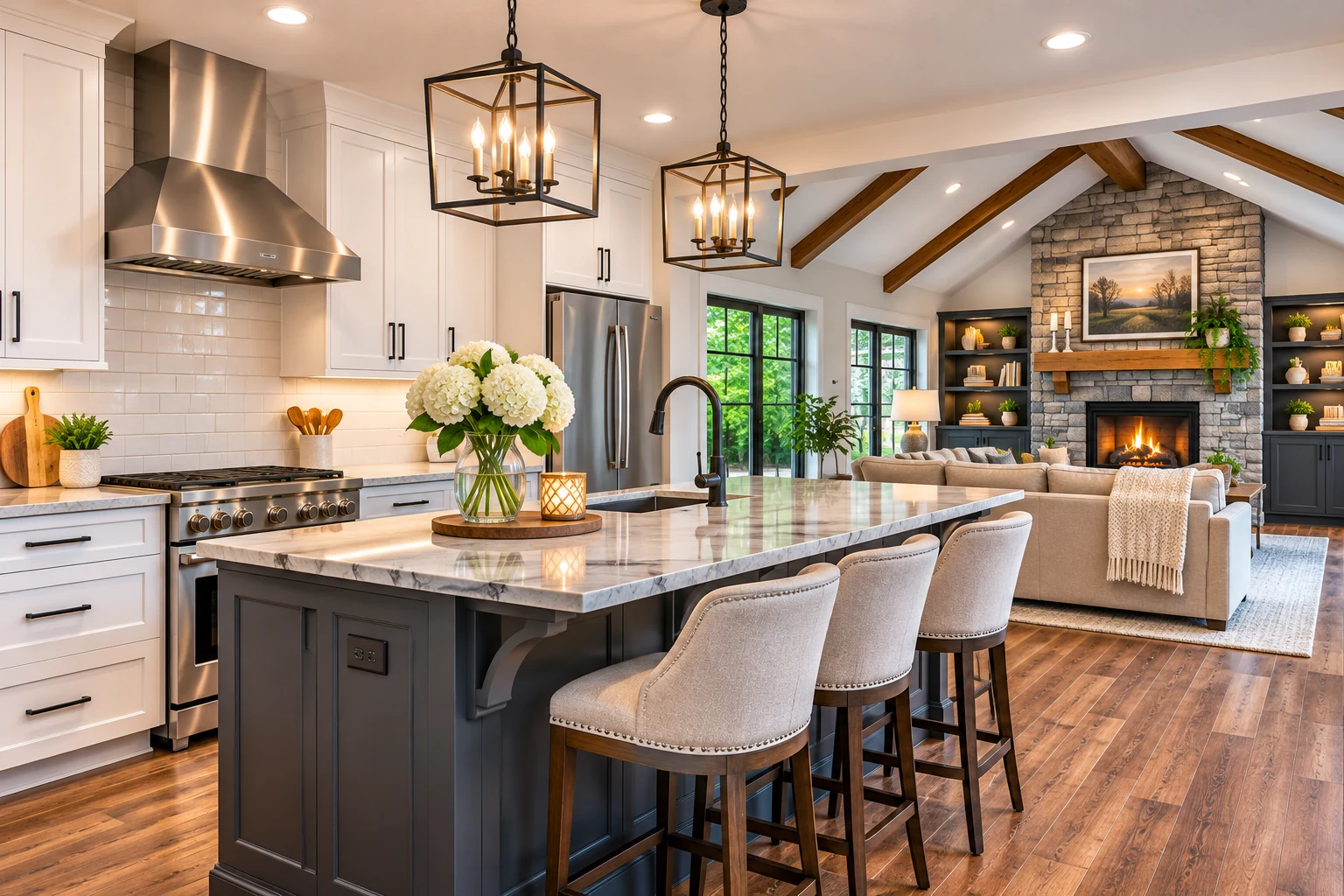
Remodeling & interior improvements
A remodel is an opportunity to reconsider how a room works, moves, and feels. Layout, surfaces, lighting, finishes, and hidden conditions can all influence the scope.
- Explore layout and practical day-to-day use.
- Compare materials, fixtures, and finish decisions.
- Plan around existing walls, services, and access.
Exterior project considerations
Outdoor improvements can affect drainage, access, and the way a property is used. Even a relatively focused exterior project benefits from reviewing existing conditions and the proposed material choices first.
- Describe the intended patio, path, or other exterior use.
- Consider slope, drainage, utilities, and access.
- Discuss materials and the proposed installation sequence.
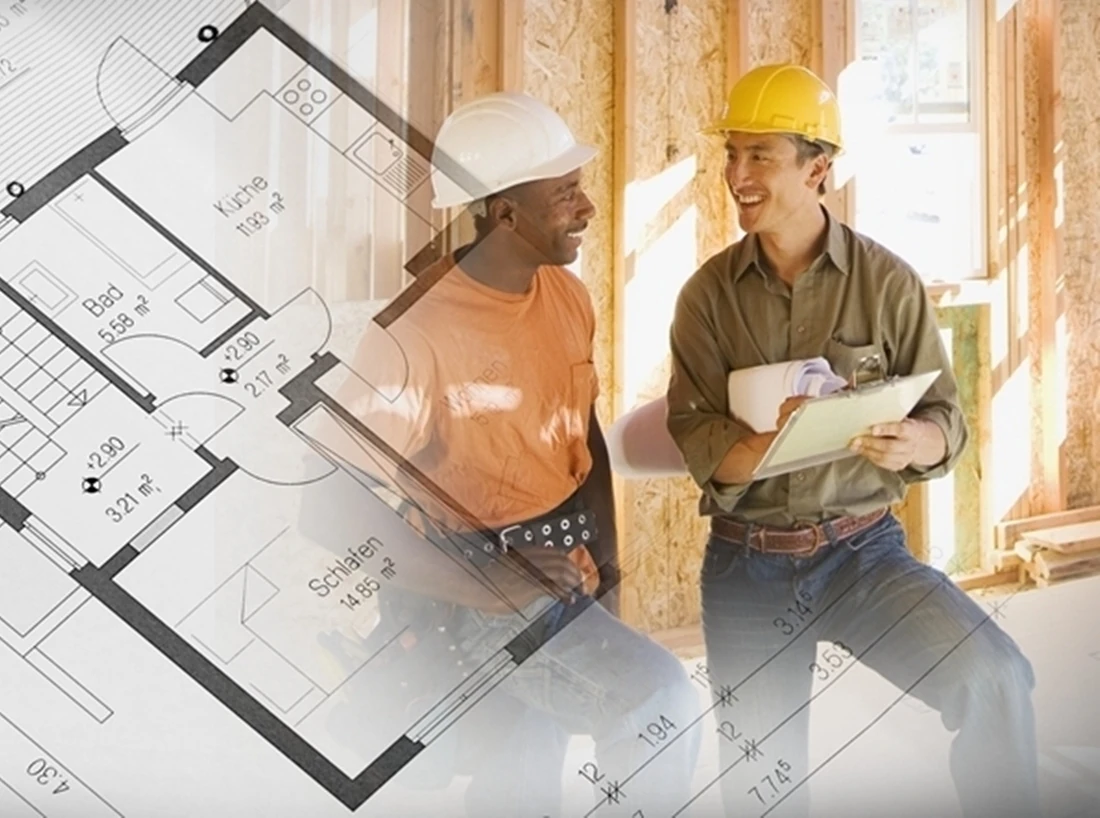
Start with the project, not assumptions.
Construction needs are different from one property to the next. A useful first conversation focuses on the scope, the condition of the site or space, design information that already exists, and the questions that still need answers. Use the number below to discuss the specifics of your project.
Your goals
What should the finished space or structure make possible?
Your starting point
What photos, drawings, measurements, or known issues can you share?
Your priorities
Which timing, materials, and practical constraints matter most?
Frequently asked questions
These general questions can help you organize an early construction conversation. Specific project requirements should be confirmed for the actual property and scope.
Start with the location of the work, a short description of the desired outcome, approximate dimensions, photographs of existing conditions, and any drawings you already have. Identifying your preferred timing also helps frame an initial conversation.
Not necessarily. Concept sketches, measurements, and photographs can communicate an early idea. Structural changes and permit-dependent work may later require professional plans and approvals; the requirements depend on the project and local rules.
Structural work concerns the parts of a building that support and transfer loads, such as framing and connections. Finish work concerns visible surfaces and fittings. Some renovations involve both, which is why the sequence should be discussed before work begins.
Remodeling works within an existing space and may reveal concealed conditions once work begins. New construction typically starts with a different set of site, foundation, framing, and inspection steps. Both benefit from a clearly defined scope.
Yes. Paths, patios, grades, driveways, and adjacent landscaping may change how people move around a property and how water flows. Existing slope, utilities, access, and material choices should be reviewed before the scope is finalized.
A timeline depends on design decisions, material availability, site access, inspections, weather-sensitive activities, and the size of the work. It is useful to distinguish an early target date from a schedule agreed to after the scope is defined.
Ask which materials suit the intended use, what maintenance they require, and how different choices affect installation, lead times, and appearance. A written selection list helps keep expectations aligned as the project develops.
Describe the result you want, share a few photos or sketches, and make a list of your priorities and questions. Call (618) 246-8822 to start a conversation about the specific project and whether the work is a fit.
Have a project in mind? Start the conversation.
Share the type of work you are considering and the questions you want answered. Use the phone number below to discuss the next step for your particular project.