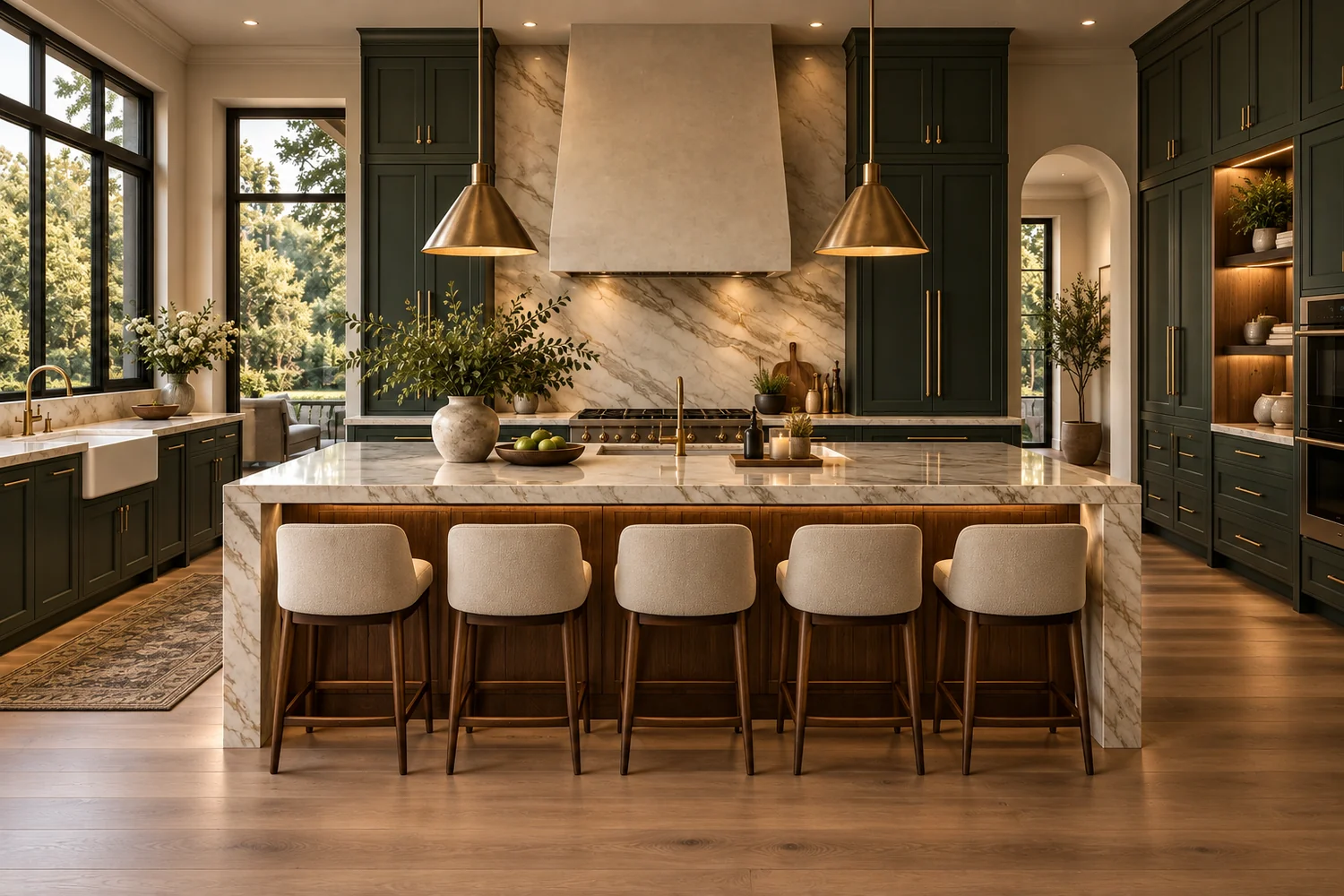
Thoughtful Interiors Designed Around the Way You Live.
Evergreen & Ivory Interiors creates refined, welcoming spaces through thoughtful planning, balanced color, carefully selected furnishings, and details that make a home feel complete rather than simply decorated.
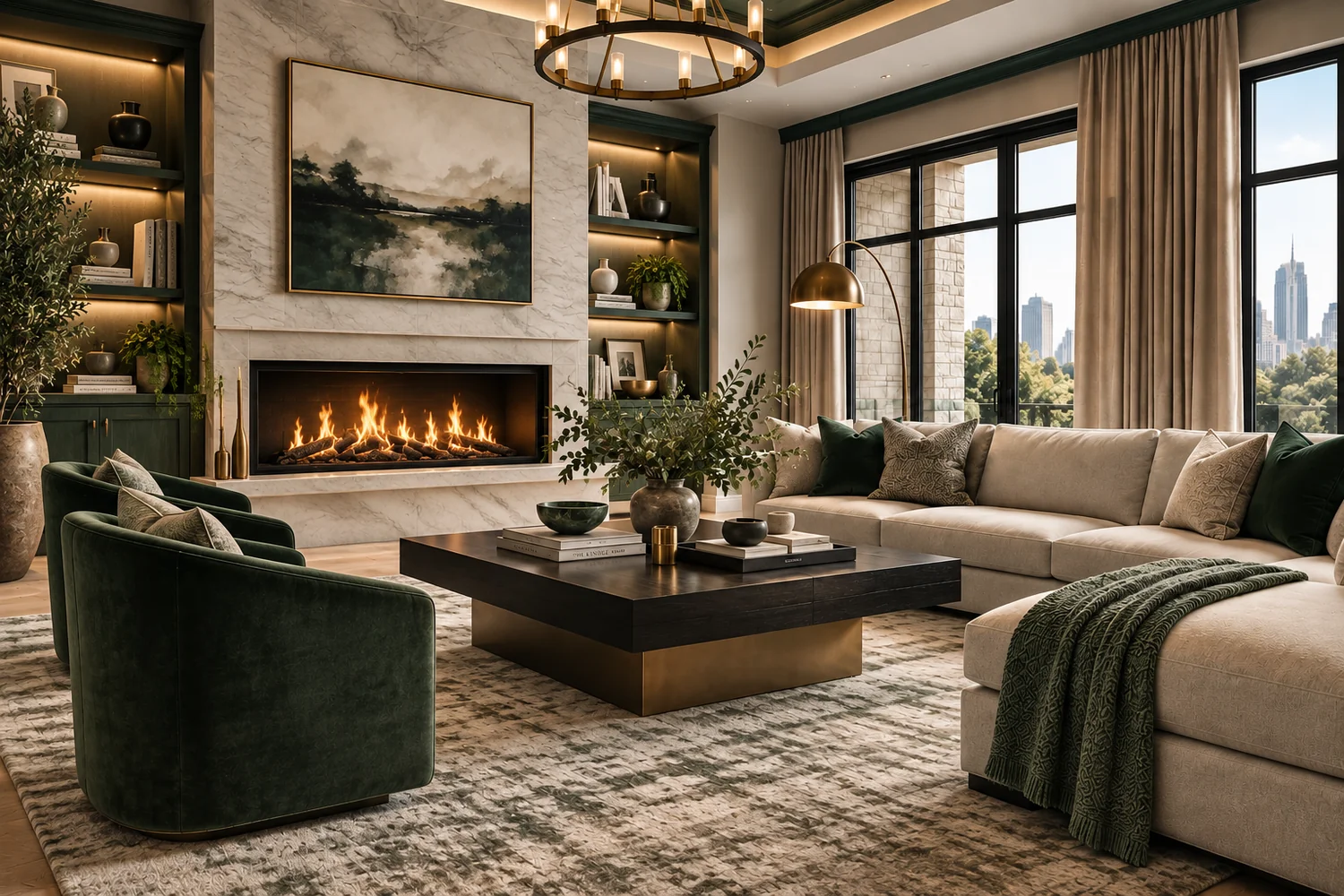
A home should feel polished without losing the people who live in it.
Claire Bennett approaches interior design as a balance of beauty, function, comfort, and personal character. Evergreen & Ivory Interiors helps bring those elements together so rooms feel intentional, connected, and comfortable in everyday life.
The goal is not simply to make a room look finished. It is to understand how the space needs to work, what already deserves to remain, where the room feels visually unsettled, and which changes will make the greatest difference. That may mean rethinking a layout, refining a color story, improving scale and proportion, or editing furnishings so the strongest elements have room to stand out.
Instead of designing around a single decorative trend, the process considers how each room is used, how furnishings relate to one another, how color moves through the home, and which details will create a lasting sense of cohesion. New selections are considered in relationship to the architecture, natural light, existing pieces, adjoining rooms, and the practical realities of everyday living.
The result is a more thoughtful kind of polish: spaces that feel collected rather than staged, coordinated without becoming overly matched, and refined without sacrificing warmth. Every recommendation is intended to support a home that feels easier to live in, more visually connected, and more distinctly personal to the people who use it.
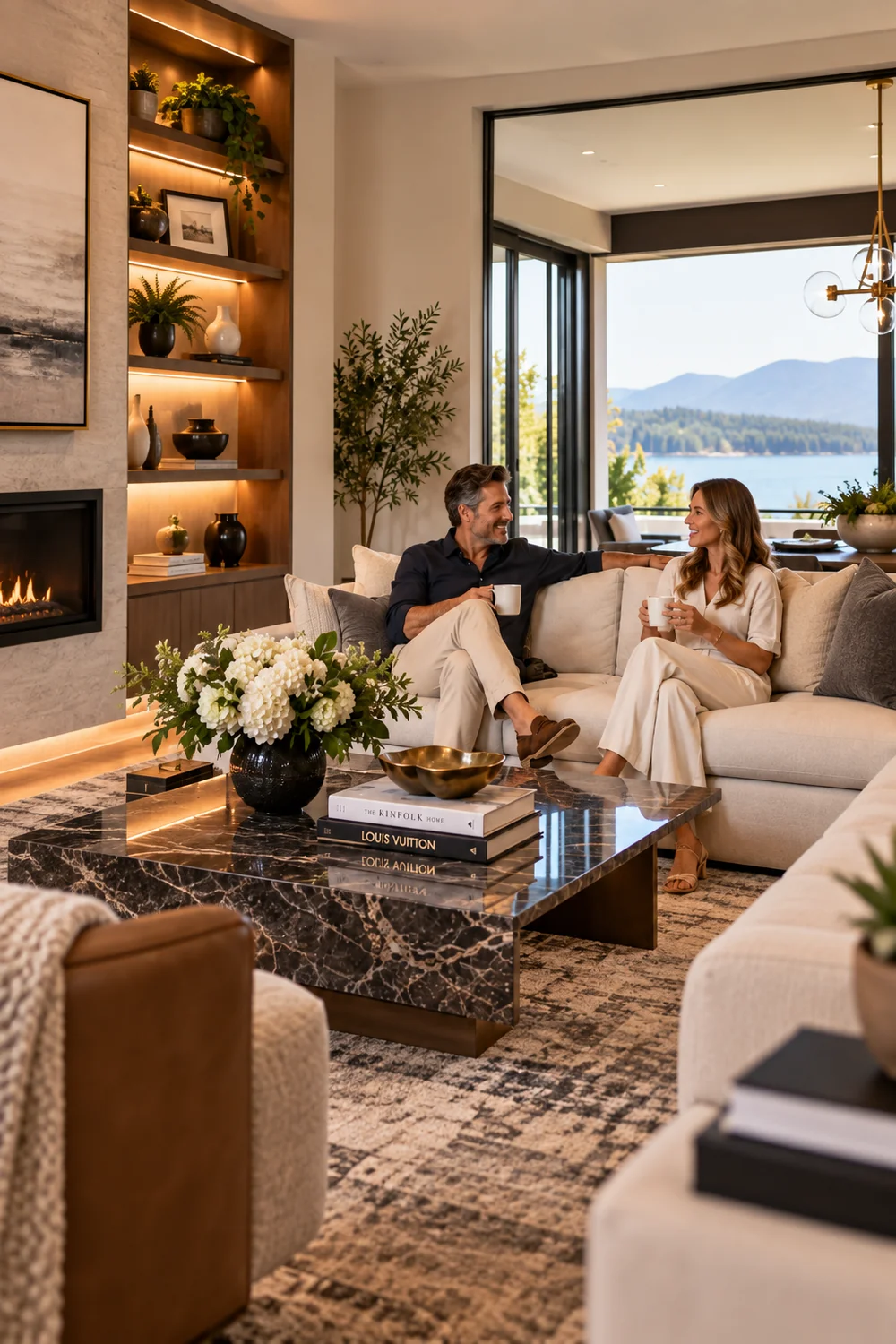
A successful room needs to support movement, conversation, storage, comfort, and the routines that happen there. Visual decisions are stronger when they begin with the way the room actually needs to function.
Rooms can relate to one another without repeating the same colors, furniture, or decorative formula. Consistent undertones, proportions, materials, and visual rhythm help the home feel connected while allowing each space to retain its own identity.
Good design is often as much about what is removed, relocated, or simplified as what is added. Careful editing helps create stronger focal points, clearer relationships, and a calmer finished room without unnecessary excess.

Design support for the decisions that shape a room.
Services can address the complete visual direction of a space or focus on the individual decisions that are keeping a room from feeling resolved. The level of guidance can be shaped around what the room actually needs, whether the starting point is an empty space, a collection of existing furnishings, or a nearly finished room that still lacks balance and connection.
Recommendations are considered as part of the whole room rather than as isolated purchases. Layout, scale, color, material, lighting, comfort, and visual weight are evaluated together so each selection supports the next and the finished space feels deliberate from every angle.
Room Design & Planning
Establish a practical room layout, visual direction, furniture relationships, focal points, and a cohesive foundation before individual selections are made. Planning early helps avoid disconnected purchases and makes later decisions easier because the room has a clear framework.
Color & Finish Guidance
Coordinate paint colors, finishes, materials, fabrics, and surrounding elements so selections work together instead of competing from room to room. Undertones, natural and artificial light, neighboring surfaces, and existing features are all considered before a direction is finalized.
Furnishing & Styling
Bring the room together through appropriately scaled furniture, lighting, textiles, artwork, accessories, and finishing details. Existing pieces can be incorporated where they strengthen the design, with new selections used to fill genuine gaps rather than simply add more to the room.
A room does not have to be starting from scratch to benefit from design guidance. Services can also help when the furniture feels out of scale, a palette is difficult to coordinate, existing pieces need to be integrated, selections have stalled, or the room is close to finished but still feels visually incomplete. The objective is to identify the decisions that will create the most meaningful improvement without changing more than the space requires.
Beautiful rooms become meaningful when every choice has a reason.
The strongest interiors feel effortless because proportion, material, light, comfort, and personality have been considered together. This is the point where visual polish becomes a complete living experience rather than a collection of decorative pieces.
Bespoke Design • Curated Living • Timeless Style
The strongest rooms begin with a clear visual story.
A finished interior is the result of many smaller decisions working together. Layout, material, texture, color, furniture scale, lighting, and decorative details all contribute to the way the completed room feels.
The goal is not simply to fill a space. It is to create continuity between practical needs and visual choices so the room feels deliberate from every viewpoint.
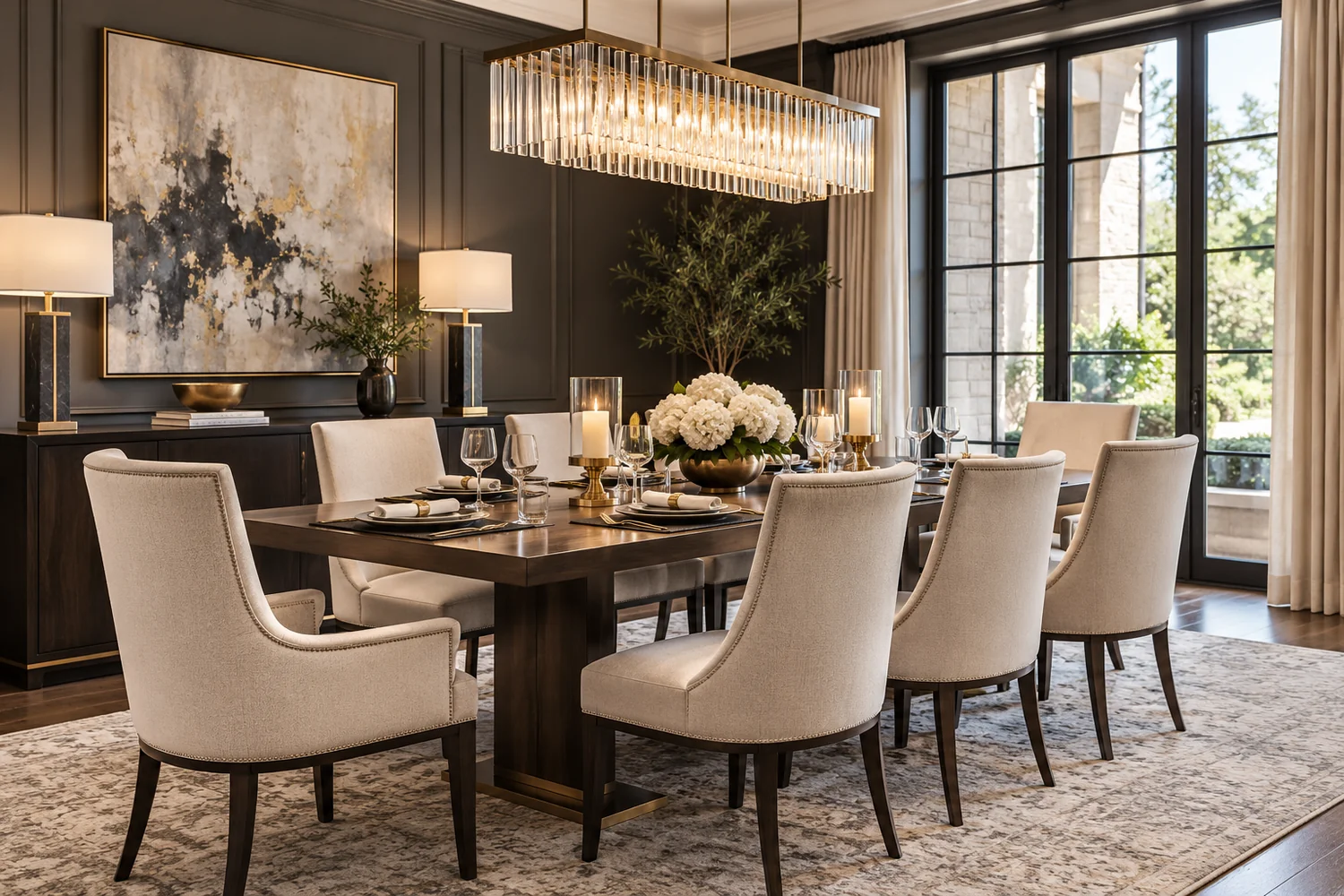
Give every room a purpose, a rhythm, and a reason for each choice.
Different rooms ask different things of a design. A living room needs conversational balance and comfort. A bedroom should support rest. Dining and gathering spaces must accommodate people while retaining a clear visual identity.
Living & Gathering Areas
Coordinate seating, circulation, focal points, lighting, tables, rugs, and accessories so social spaces feel inviting without becoming visually crowded.
Bedrooms & Retreats
Build a calmer atmosphere through furniture placement, layered textiles, balanced lighting, soothing color relationships, and practical storage considerations.
Dining & Transitional Spaces
Use scale, lighting, wall treatments, artwork, and connecting colors to make dining rooms, entries, halls, and adjoining spaces feel intentional.
The final layer is what turns a furnished room into a finished room.
Styling considers the relationship between artwork, lamps, greenery, books, decorative objects, pillows, throws, and open surfaces. Each layer adds personality, but restraint keeps the room composed.
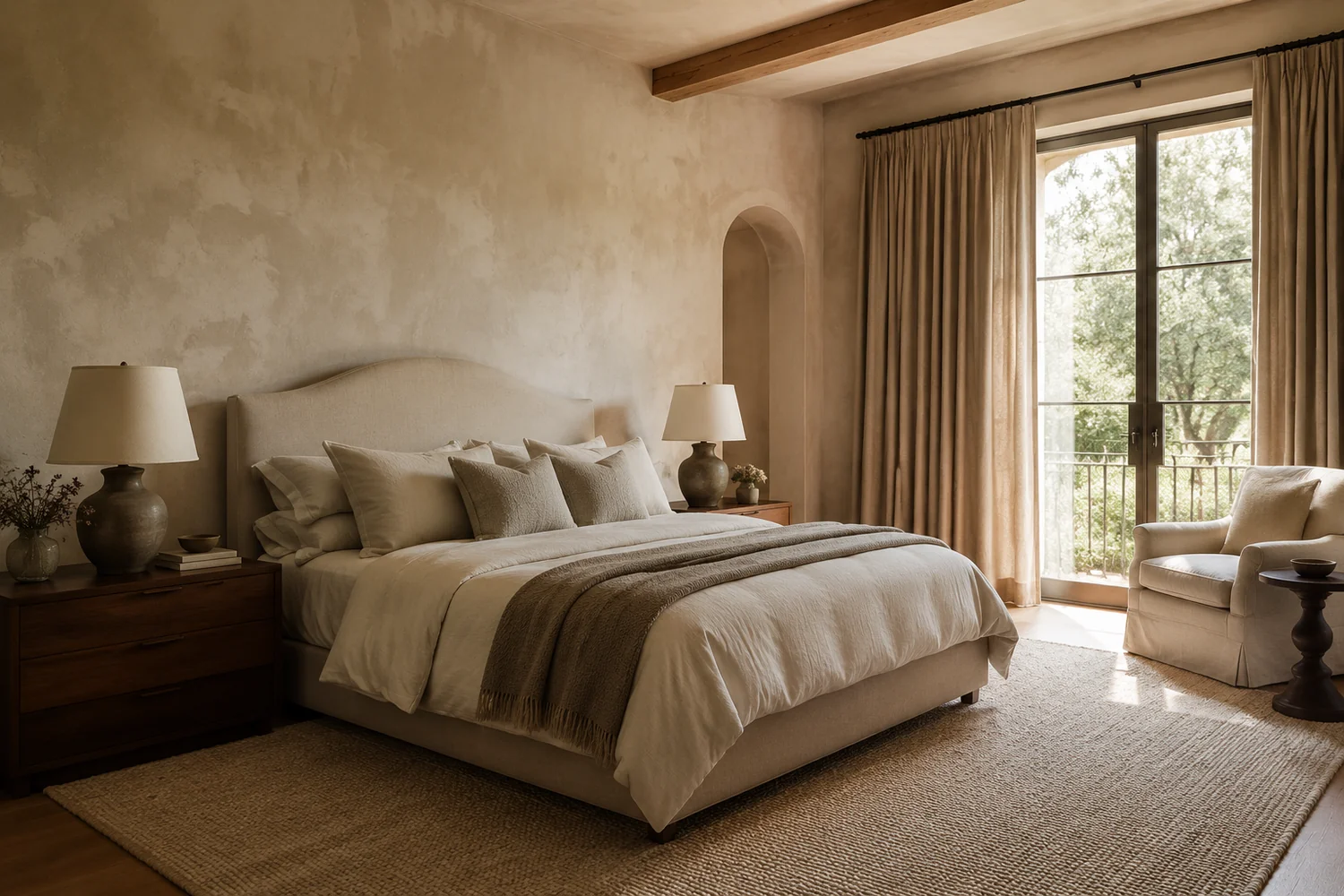
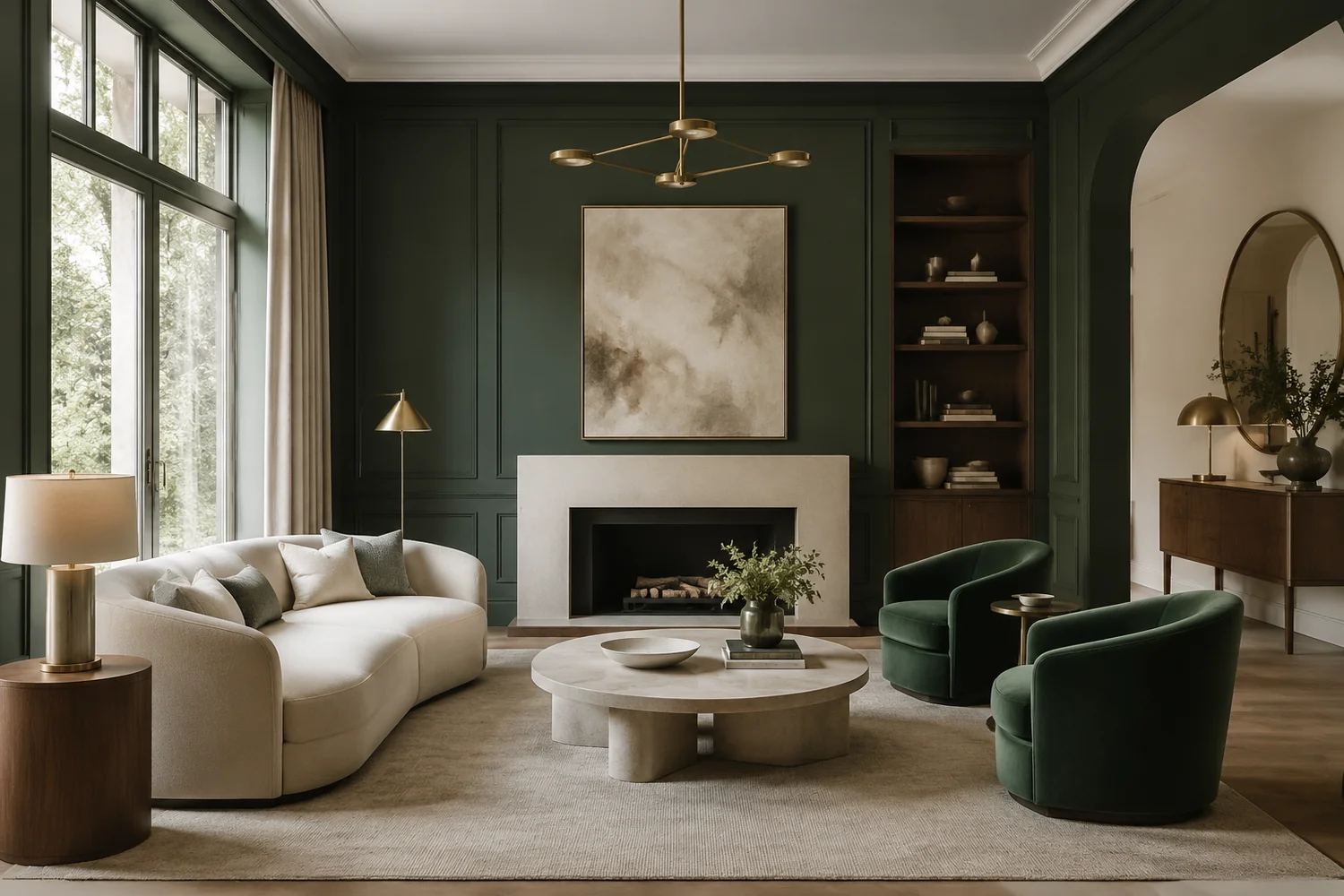
Build a palette that feels connected instead of assembled room by room.
Color selection goes beyond choosing a favorite paint chip. Existing flooring, natural light, fixed finishes, upholstery, adjoining rooms, wood tones, metals, and fabrics all affect how color is perceived.
A coordinated palette creates continuity while still allowing individual rooms to have their own personality.
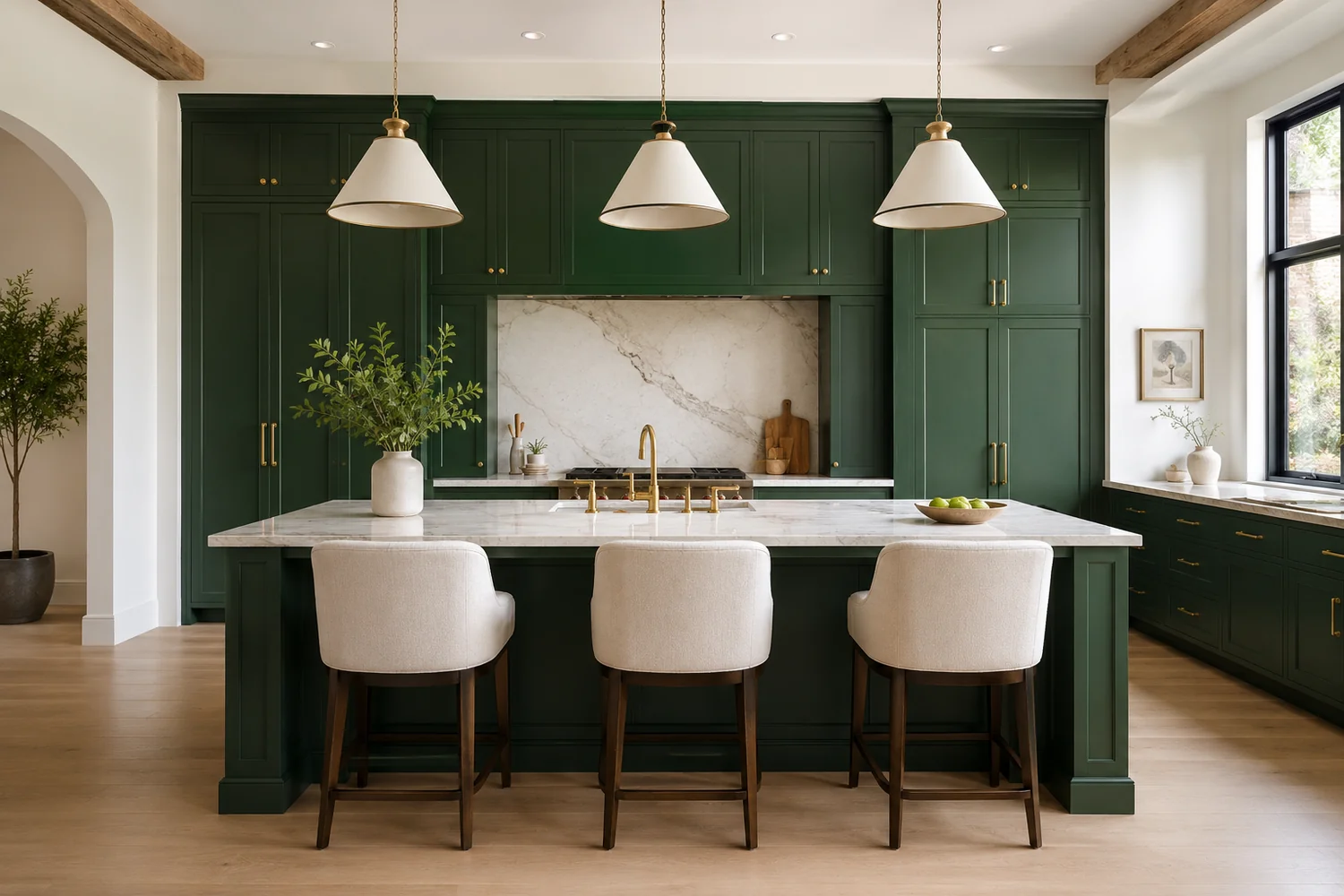
Choose pieces for proportion, function, and the room as a whole.
Furniture selection is strongest when scale and placement are considered before individual pieces are purchased. The correct sofa can still feel wrong if its dimensions disrupt circulation or its visual weight overwhelms the rest of the room.
Rugs, tables, lighting, window treatments, textiles, and decorative elements can then support the primary furnishings and reinforce the intended design direction.
A clear process keeps design decisions connected.
Interior design becomes easier to navigate when major decisions happen in a logical order. The process moves from understanding the room and its needs toward a coordinated visual direction and then into the individual selections that complete it.
Understand the space and priorities.
Identify how the room needs to function, what is already working, what needs improvement, and which design decisions matter most.
Establish the overall direction.
Define layout, palette, visual character, material relationships, and the hierarchy of major furnishing choices.
Coordinate individual selections.
Evaluate furnishings, finishes, lighting, textiles, artwork, and supporting pieces against the established design direction.
Complete the final layer.
Refine placement and styling so decorative details support the room rather than compete with it.
Start with the room, the questions, and the decisions in front of you.
A consultation provides an opportunity to discuss your space, priorities, design concerns, and the areas where professional direction would be most useful.
Whether you are beginning a broader room update or need help resolving specific design decisions, the conversation can establish a clearer path forward.
Helpful answers before beginning a design conversation.
Create a home that feels considered from the first impression to the final detail.
Good interior design brings practical decisions and visual choices into the same conversation. Begin with a clear direction and build a space that feels comfortable, cohesive, personal, and complete.