01
Tree Removal
Removing a tree requires attention to its size, condition, surroundings, and the space available for controlled work.
Tri-County Tree & Stump Removal, owned by Thomas R. Reed, helps property owners start a clear conversation about removing unwanted trees and stumps, planning safe access, and protecting the surrounding property during the work.
Tree and stump removal work starts with understanding what needs to come out, how the crew can reach it, what is nearby, and what the property should look like when the work is finished. Tri-County Tree & Stump Removal uses that conversation to define the job before work begins.
Removing a tree requires attention to its size, condition, surroundings, and the space available for controlled work.
Stump removal addresses the remaining obstruction so the area can be used, maintained, or prepared for what comes next.
Gates, driveways, slopes, fences, structures, utilities, and nearby landscaping can all affect how a removal job is approached.
Planning around roofs, yards, fences, vehicles, and other nearby features helps define practical boundaries before removal begins.
Debris handling and the desired condition of the work area should be discussed up front so expectations are clear.
Thomas R. Reed and Tri-County Tree & Stump Removal give customers a direct starting point for discussing the tree, stump, access, and next steps.
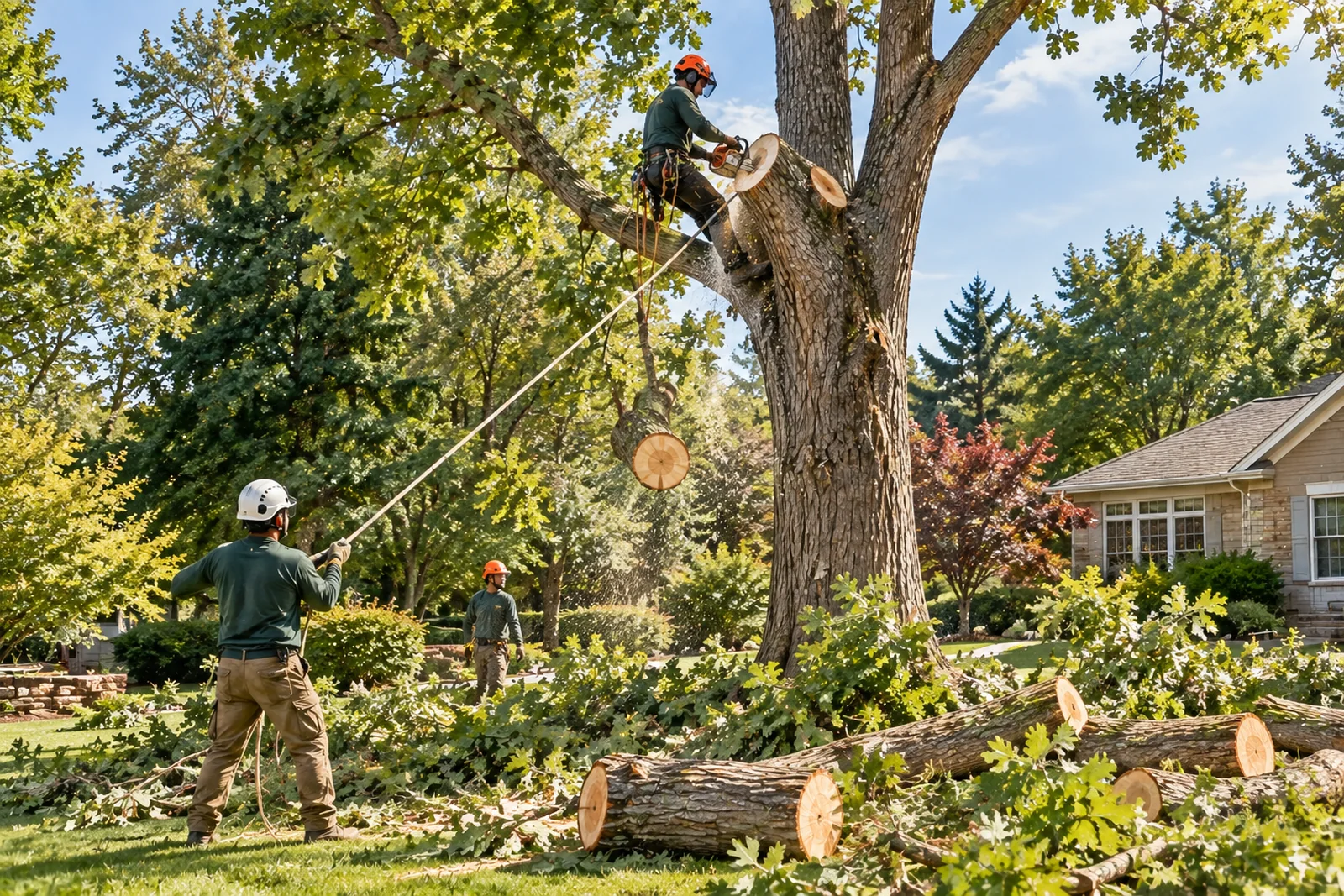
Tree removal is not only about taking a tree down. The surrounding structures, landscaping, access path, working room, and condition of the tree all influence how the job should be planned.
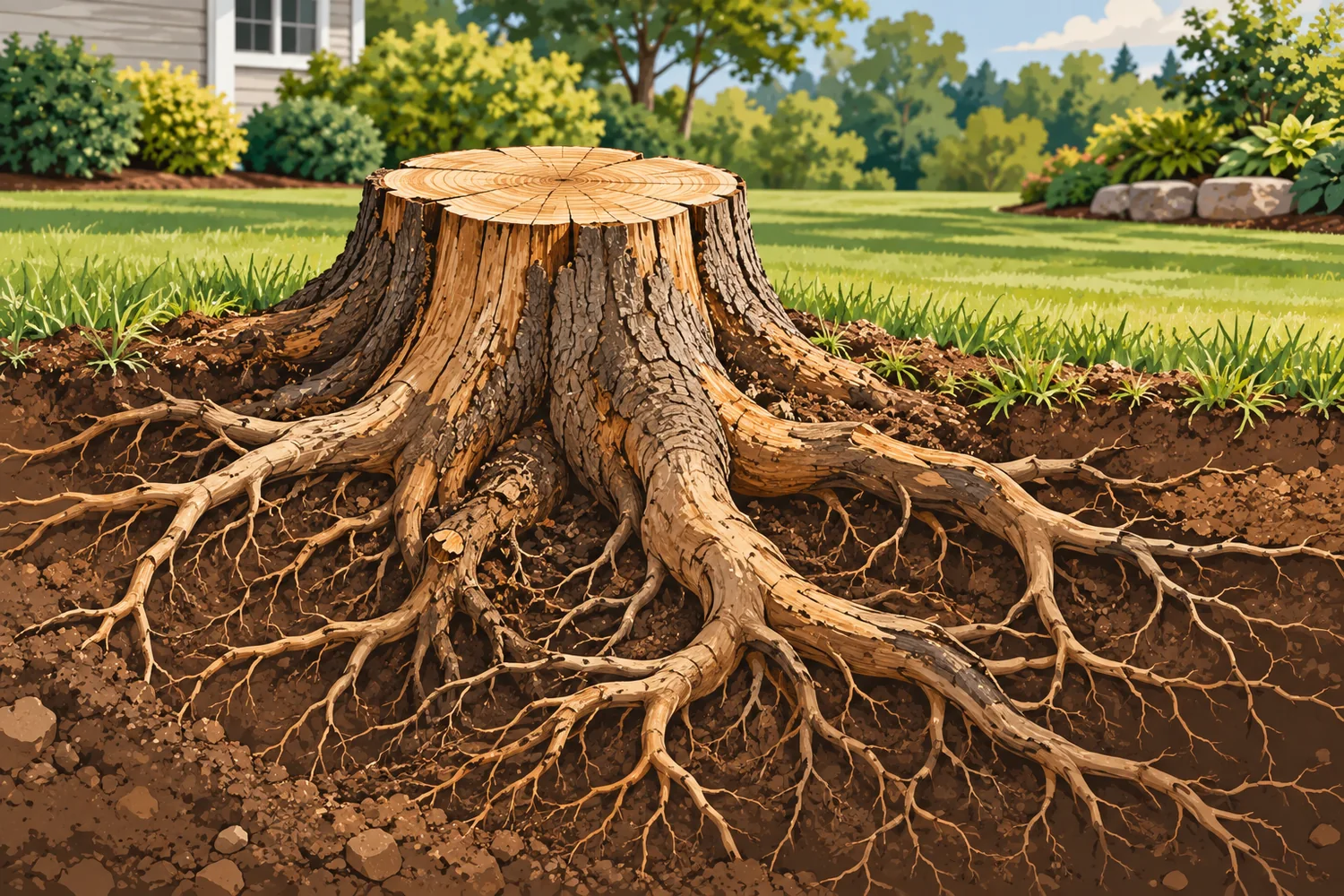
A remaining stump can interfere with mowing, landscaping, access, or future use of the area. Stump removal planning should consider stump size, root flare, nearby surfaces, and how the cleared space will be used.
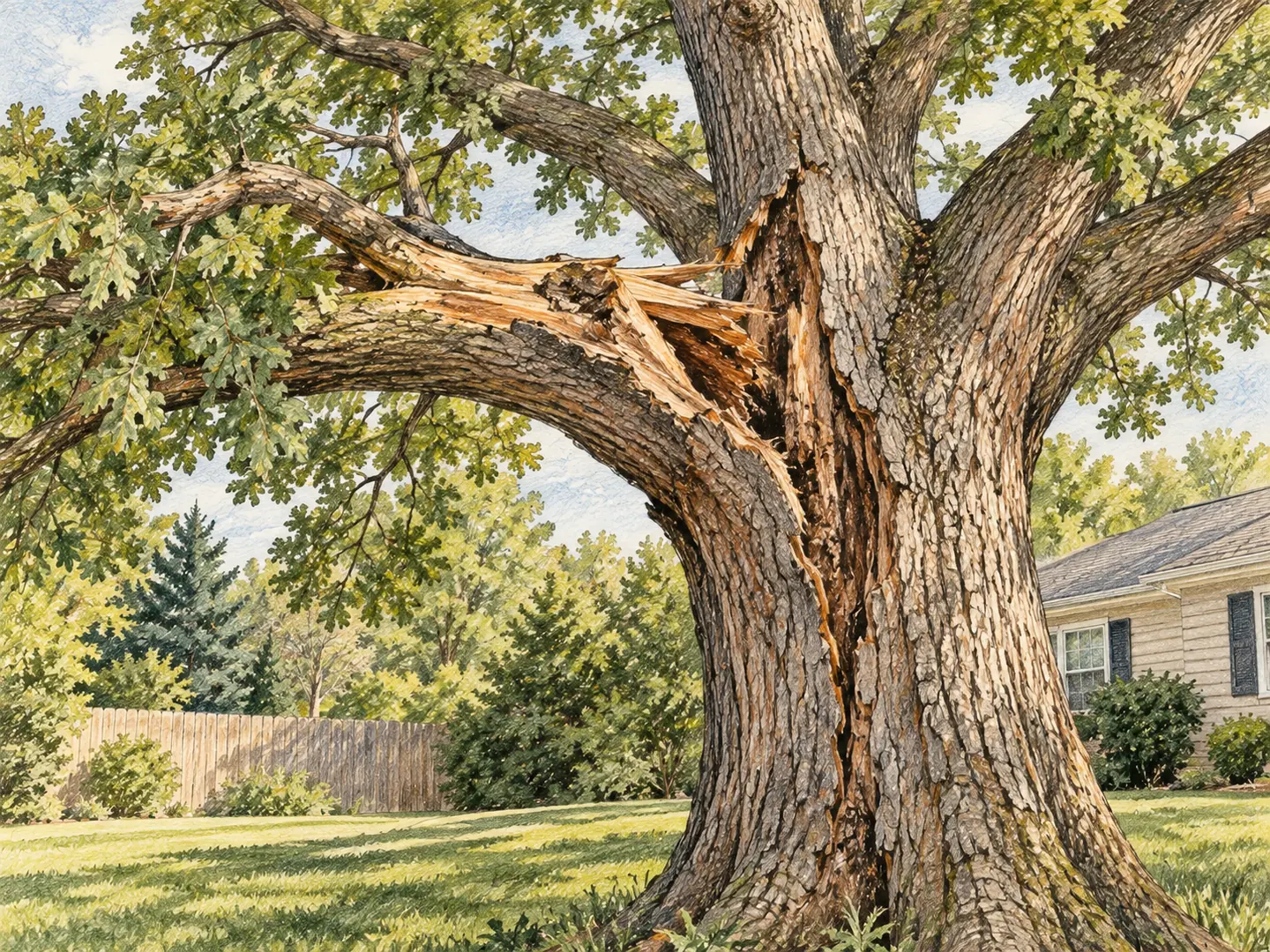
Dead wood, visible lean, trunk damage, root disturbance, or major structural defects can be reasons to evaluate whether removal should be considered. Conditions vary, so the visible problem and nearby targets both matter.
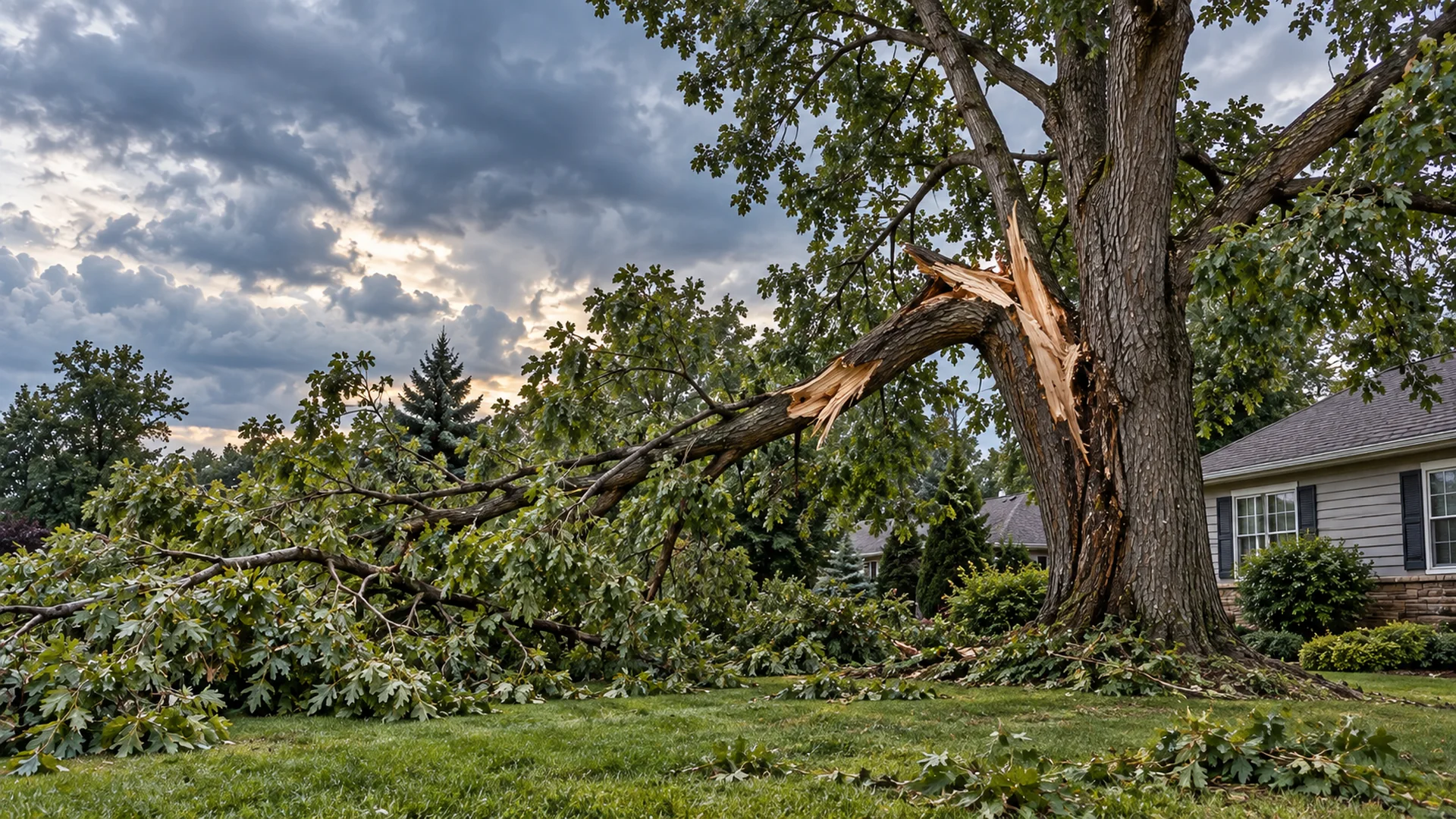
Wind, heavy rain, ice, or broken limbs can change a tree quickly. When storm damage is involved, the immediate concern is understanding what has shifted, what is hanging or broken, and what property lies within reach.
Tree work depends on more than the tree itself. The path from the street or drive to the work area can influence equipment access, staging, debris movement, and how surrounding surfaces are protected.
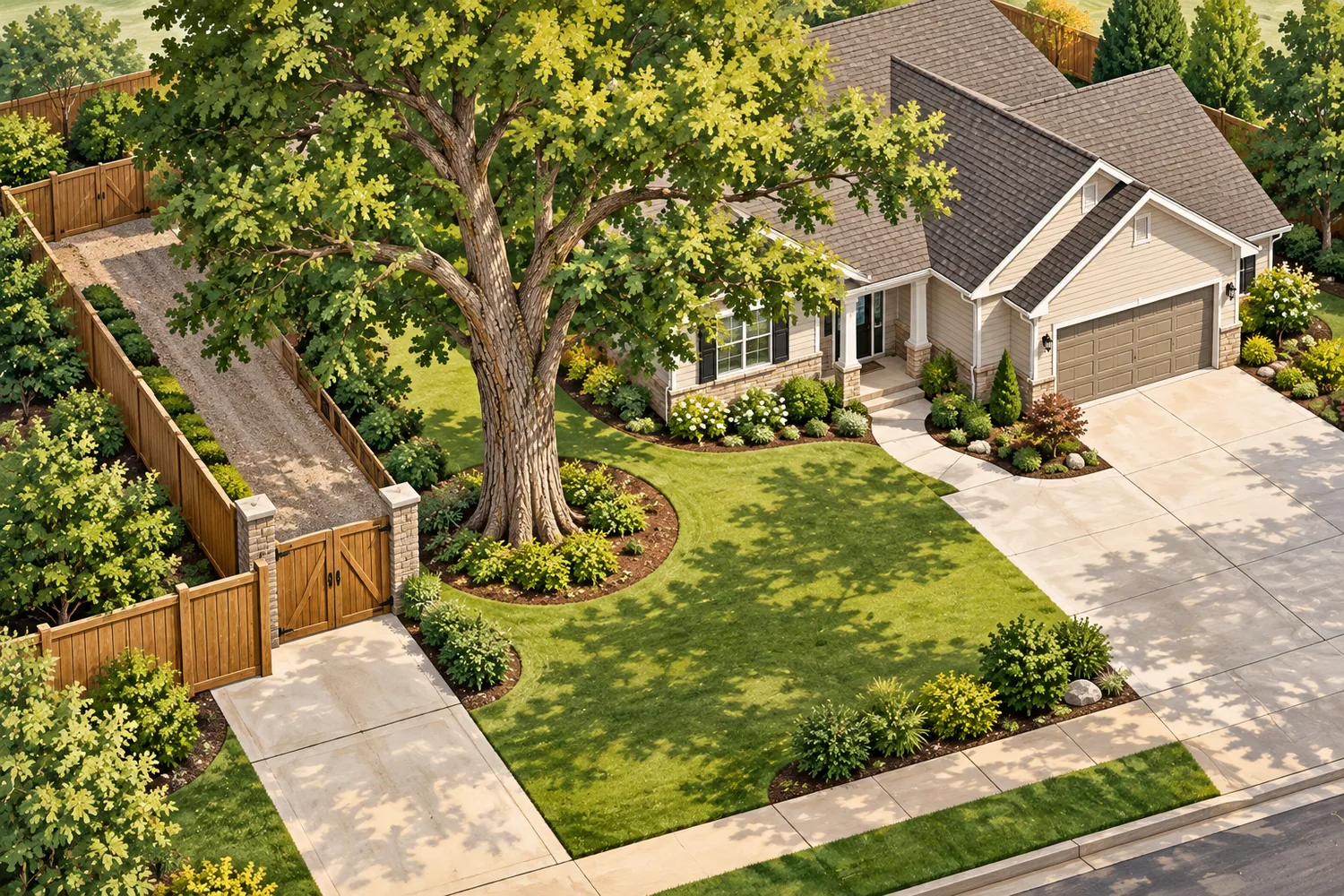
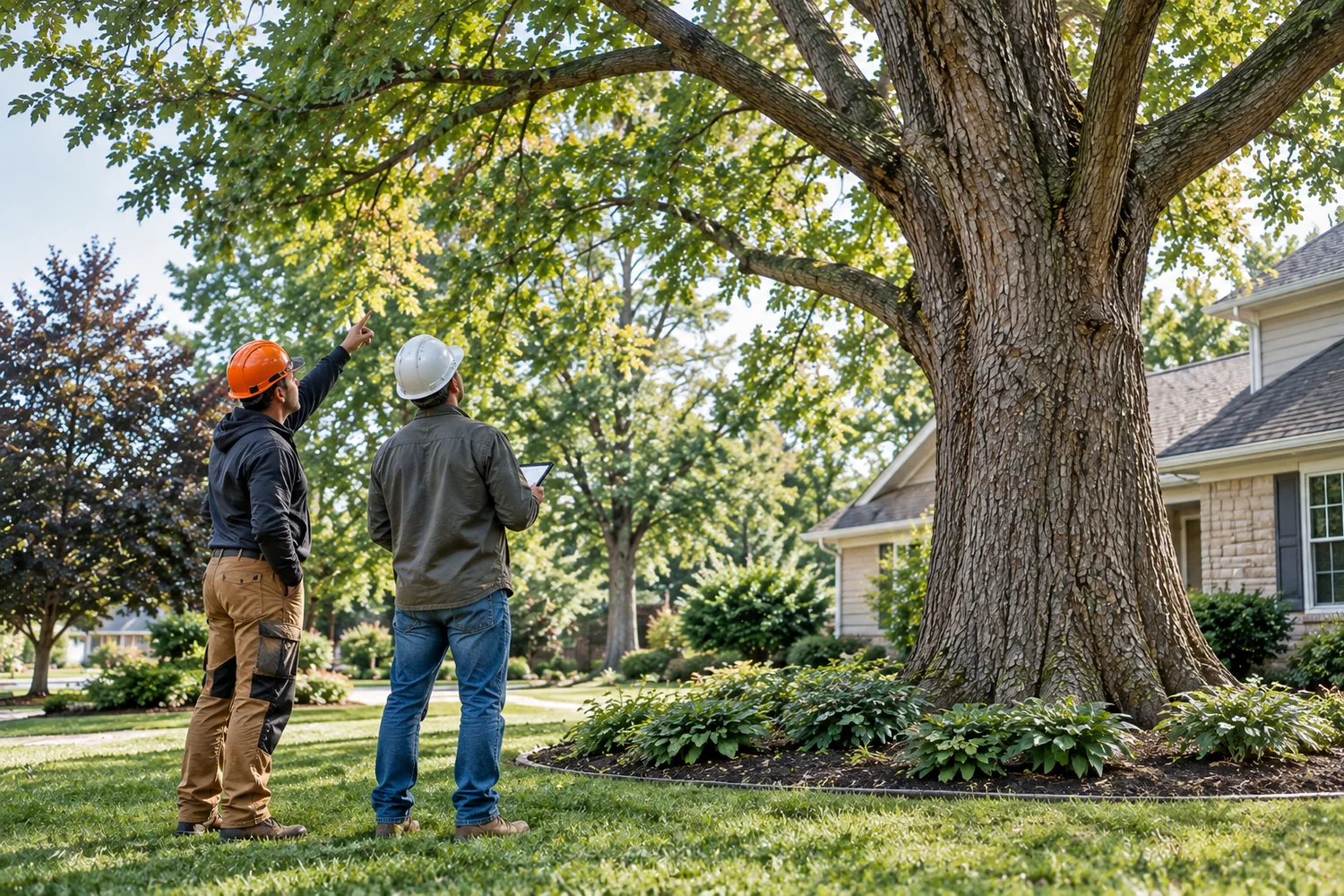
A removal project is easier to manage when the property owner and the company have the same picture of the work. Thomas R. Reed can use the initial conversation to clarify the tree or stump, access, surrounding concerns, and the requested finish condition.
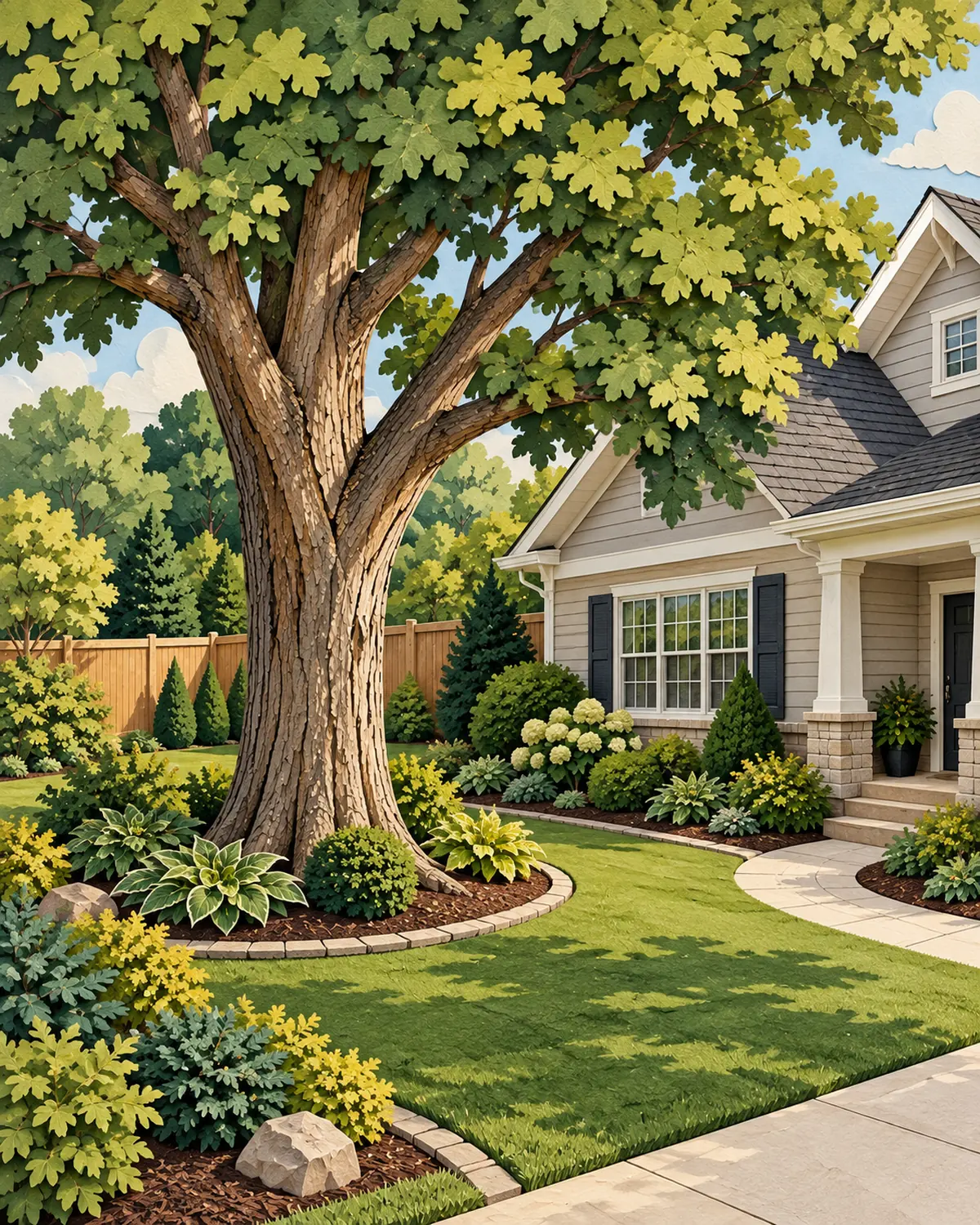
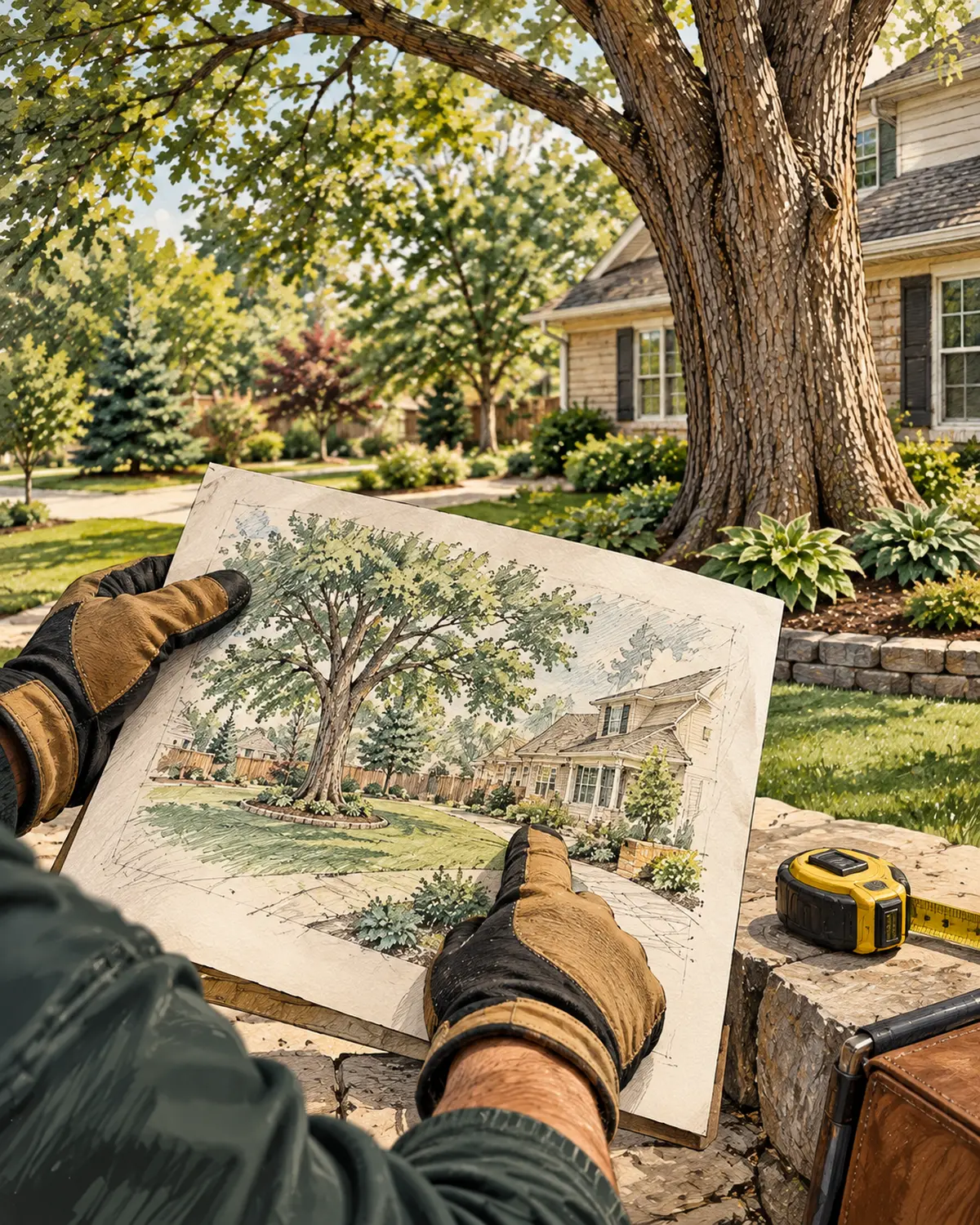
The work area may include lawns, driveways, fences, roofs, gardens, vehicles, or neighboring features that are not part of the removal. Identifying those boundaries before work begins helps keep the plan focused on what must be removed and what must be protected.
A useful first conversation covers the tree or stump, why removal is being considered, access to the work area, nearby property, and what the customer wants the area to look like afterward.
Tree and stump removal decisions are practical: what needs to be removed, what needs to remain protected, how the work area can be reached, and how the site should be left when the job is complete.
The more clearly the property conditions and expectations are described up front, the easier it is to define a removal plan that fits the site.
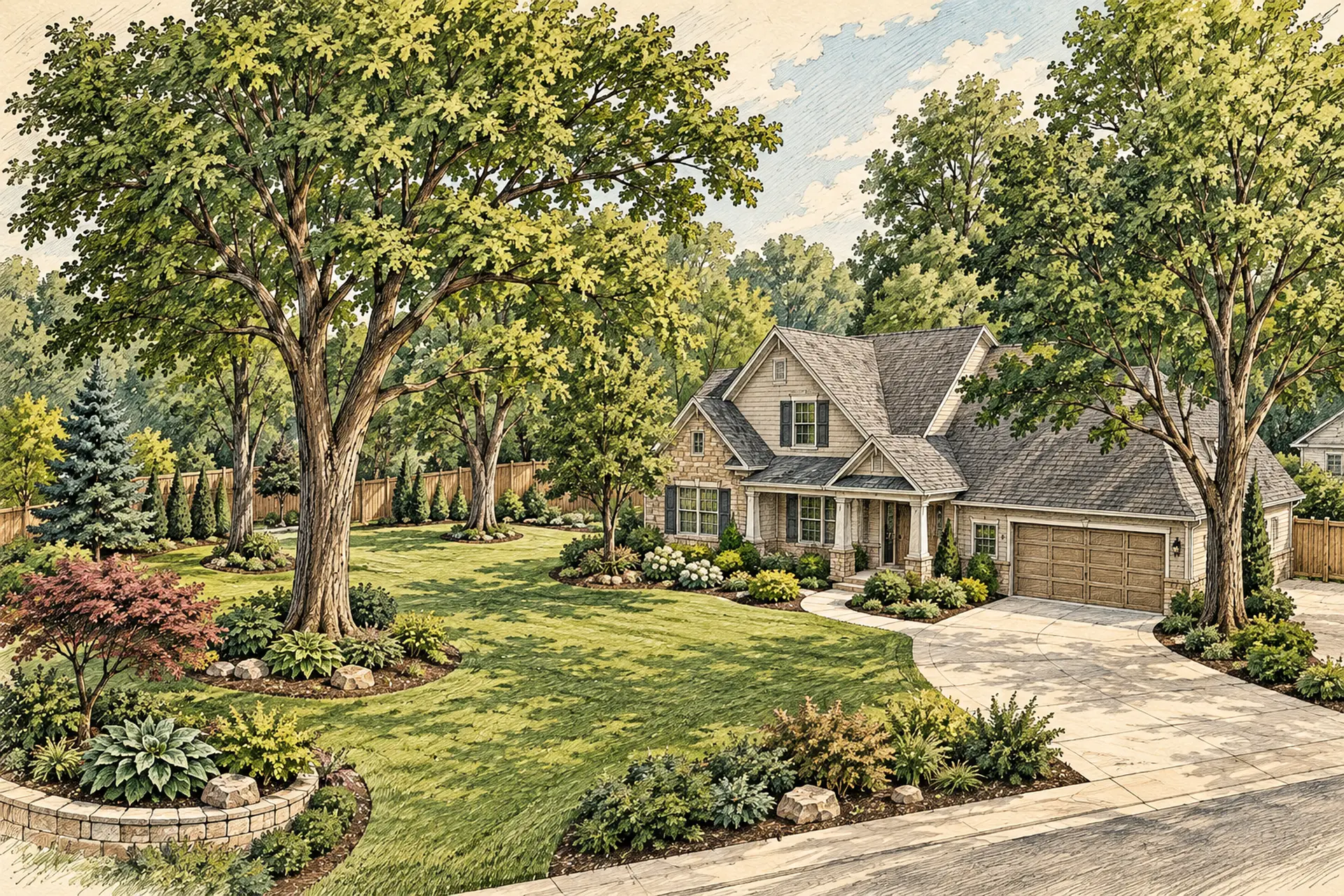
Tri-County Tree & Stump Removal is a tree and stump removal business owned by Thomas R. Reed. The focus of this site is straightforward: help property owners understand the removal work they are considering and make the first conversation about the site specific and useful.
Tree and stump removal can affect access, nearby structures, landscaping, cleanup, and how the cleared area will be used. The approach presented here starts with those practical conditions instead of treating every property as the same job.
Thomas R. Reed gives customers a named owner to ask for when they call Tri-County Tree & Stump Removal at 618-246-8822.
These answers explain common tree and stump removal considerations without making unsupported claims about timing, pricing, equipment, certifications, or service territory.
Dead or broken sections, visible lean, trunk damage, root disturbance, storm damage, interference with planned property use, or a tree that has become an obstruction can all be reasons to start a removal conversation. The exact condition of the tree and what surrounds it matter.
Describe the tree or stump, what is concerning you, where it sits on the property, how the work area can be reached, and any nearby structures, fences, landscaping, paving, or other features that could affect the job.
Stump size, root flare, surrounding grade, nearby surfaces, access, and how you want to use the cleared area can all affect the plan. Discuss those conditions before the work begins.
Keep people, vehicles, and pets away from visibly unstable trees or hanging limbs. Call Tri-County Tree & Stump Removal at 618-246-8822 to describe the damage and discuss whether removal should be considered.
The route to the tree or stump can affect how work is staged and how debris moves through the property. Gates, slopes, soft ground, fences, overhead lines, structures, and landscaping are useful to identify early.
When practical, move vehicles, outdoor furniture, toys, hoses, and other portable items away from the planned work and access areas. Point out fixed features or areas you want kept clear.
Ask what material is expected to remain, what will be removed, and what finish condition you want for the area. Clear expectations are especially useful when both tree removal and stump removal are being discussed.
Call 618-246-8822 and ask for Thomas R. Reed. Be ready to describe the tree or stump, the property access, and what you would like to accomplish.
Talk with Thomas R. Reed at Tri-County Tree & Stump Removal about the tree, stump, access, surrounding property, and what you want the area to look like when the work is complete.